
New Jersey and FIFA Clash Over Sale of World Cup Final Grass
A dispute has erupted between New Jersey officials and FIFA over the sale of pieces of the MetLife Stadium pitch where the 2026 World Cup final will be held, with state leaders arguing taxpayers should share in the profits.
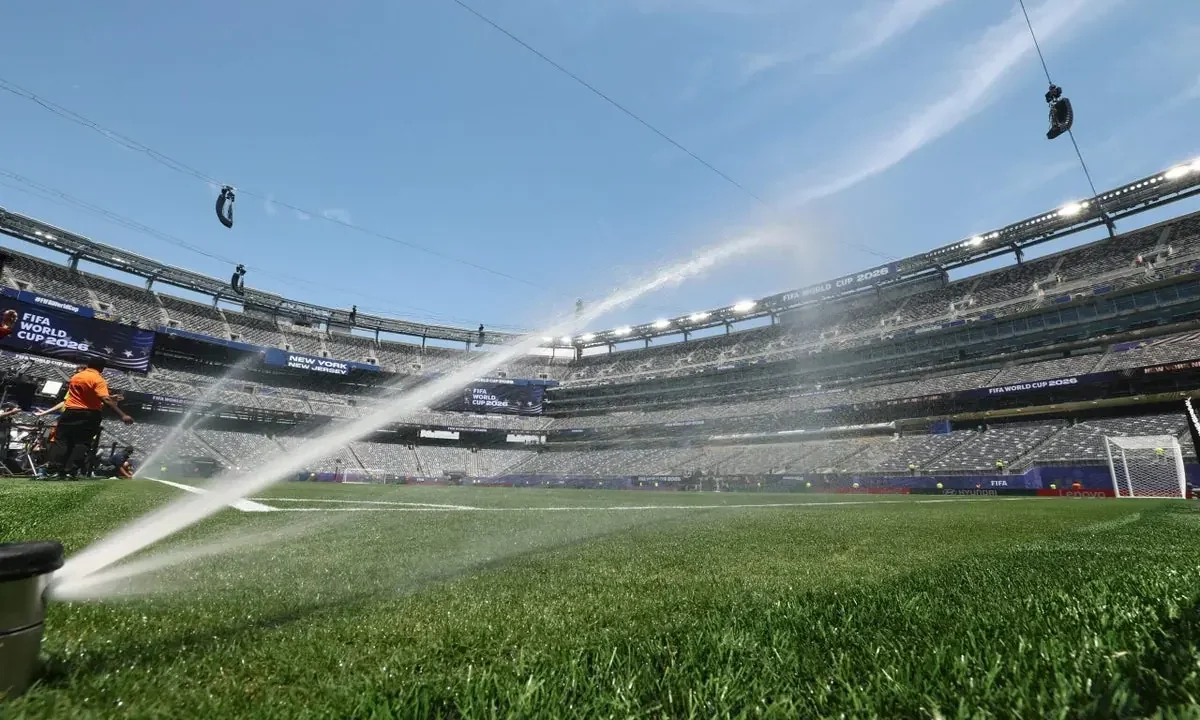
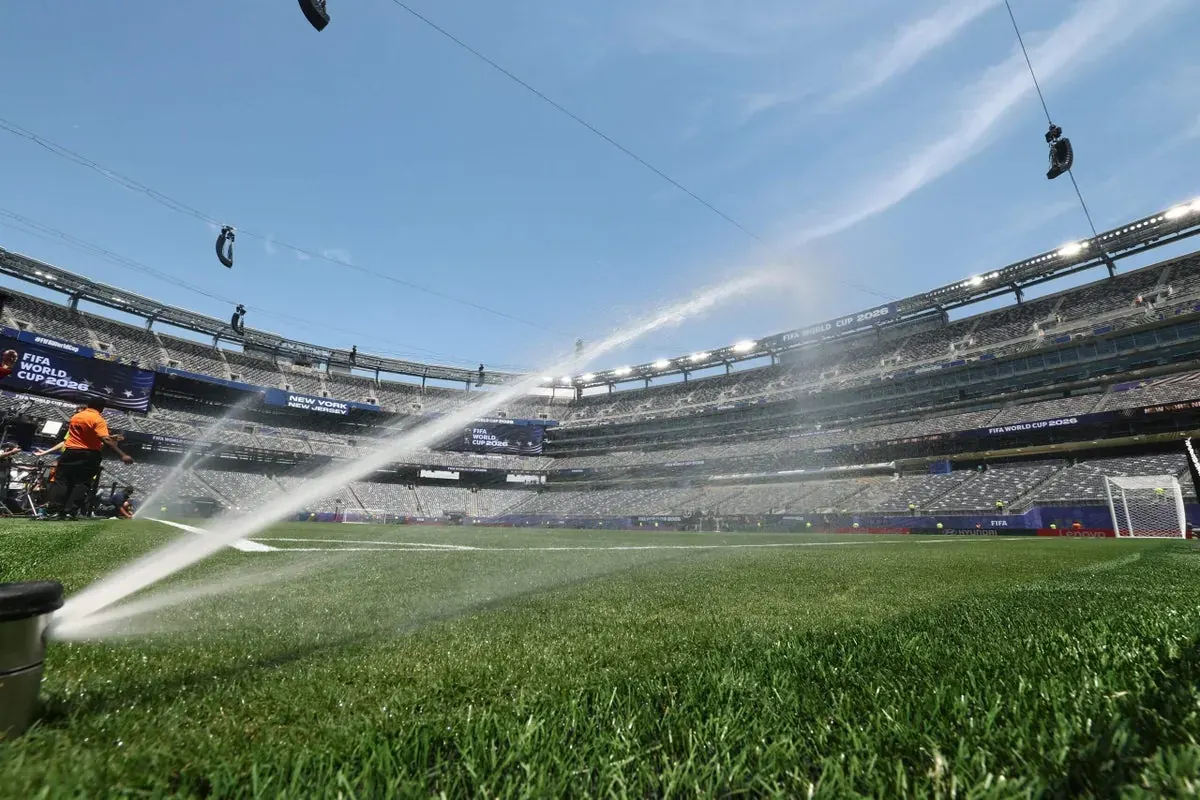
New Jersey’s governor and FIFA are locked in a public disagreement over the sale of commemorative pieces of the MetLife Stadium pitch, the designated venue for the 2026 World Cup final. The controversy centers on FIFA’s plan to encase and sell small portions of the grass, with prices starting at $450, a move that New Jersey officials argue unfairly profits from a public investment.
The dispute highlights a recurring tension between the state and the global soccer governing body, following previous clashes over transportation costs for the tournament.
Pitch Grass Sales Spark Controversy
FIFA is offering limited editions of the MetLife Stadium pitch grass, preserved in resin, for sale on its website. The collectibles come in four tiers, priced at $450, $900, $1,200, and $3,000, with each tier limited to 2,026 pieces. If all items sell out, this initiative could generate over $11.2 million.
This plan has drawn sharp criticism from the office of New Jersey Governor Mikie Sherrill. Documents obtained by northjersey.com reveal that the New Jersey Sports & Exposition Authority (NJSEA), a public agency, spent $13.04 million on the stadium’s turf to meet FIFA’s standards, covering design, construction, and maintenance.
Taxpayer Investment and Profit Sharing
Steve Sigmund, a spokesperson for Governor Sherrill, stated, “As the Governor has said, New Jersey paid multiple millions for the total expense for the pitch at MetLife stadium, so New Jersey taxpayers should share in any proceeds.” This sentiment has garnered cross-party support in New Jersey, with Assembly Republicans echoing the call for the state to benefit from the sale.
Assemblyman Mike Inganamort asserted, “FIFA needs to get off our turf, literally. New Jersey taxpayers funded $13 million in upgrades to MetLife Stadium, including replacing the artificial turf with grass. Additionally, the New Jersey Sports and Exposition Authority holds the stadium’s land lease. This is state-owned property. FIFA can’t just sell off the soccer pitch without permission.” He added that the sale must comply with state laws governing the disposal of surplus property and benefit New Jersey taxpayers.
FIFA and Host Committee’s Perspective
Sources close to FIFA and the joint host committee suggest that FIFA is only partially responsible for the initiative. They claim an agreement exists with the host committee to sell a portion of the pitch, with the majority of the proceeds going back to the committee for regional investments. FIFA reportedly receives a small, single-digit percentage of the revenue for licensing use.
Natalie Hamilton, communications director for the host committee, highlighted the broader economic benefits of the World Cup preparations, stating, “Investments, including the pitch, made by New Jersey, New York State, New York City, the federal government, and our partners have generated billions of dollars in economic impact, hundreds of millions of dollars in regional tax revenue, and permanent infrastructure improvements that will last well beyond the World Cup.”
Regional Investment and Economic Impact
New York and New Jersey have collectively invested hundreds of millions of dollars in the World Cup. The host committee has received $61 million from New York City and New York State, while New Jersey has contributed $50 million, including a $15 million loan from the NJSEA. Both states have also spent significantly on marketing and received federal security funding.
New Jersey alone has spent over $37 million on stadium improvements and an additional $40 million on a new pedestrian walkway near MetLife. A further $40 million is budgeted for state agency costs. The expectation is that these expenditures will be recouped through an estimated $3.3 billion in economic impact, though such figures are often subject to scrutiny.
Previous Disputes Over World Cup Costs
This is not the first instance of friction between Governor Sherrill and FIFA regarding World Cup-related expenses. Earlier, the Governor directed the state transit agency to ensure New Jersey taxpayers would not subsidize round-trip rail tickets from Manhattan to MetLife Stadium. This led to a significant price increase for World Cup fans, prompting FIFA to express concern about the “chilling” effect on attendance. Governor Sherrill defended her stance, referencing FIFA’s substantial revenue projections and the high cost of World Cup tickets, arguing that FIFA should bear more of the financial burden.
Key facts
| Detail | Information |
|—|—|
| Event | 2026 FIFA World Cup Final |
| Venue | MetLife Stadium, New Jersey |
| Controversy | Sale of pitch grass by FIFA |
| New Jersey’s Investment | $13.04 million for pitch turf, $37 million for stadium improvements |
| Grass Collectible Price Range | $450 – $3,000 |
| Potential Revenue | Over $11.2 million |
| State’s Argument | Taxpayers should share in profits due to public funding |
The ongoing dispute underscores the complex financial arrangements and public-private partnerships involved in hosting major international sporting events. For New Jersey residents, the core issue remains ensuring that public investments translate into tangible benefits for taxpayers, rather than solely enriching external organizations.
Source: The Athletic Football (https://www.nytimes.com/athletic/7453006/2026/07/17/world-cup-final-grass-collectible-fifa-new-jersey/)
Datos clave
| Punto | Detalle |
|---|---|
| Fuente | The Athletic Football |
| Fecha | 2026-07-18T00:24:57+00:00 |
| Tema | New Jersey and FIFA clash again over plan to sell MetLife Stadium grass for $11.2M |
Source
The Athletic Football Original publication: 2026-07-18T00:24:57+00:00
Related news
Boca vs River Superclásico Confirmed for November 1 at La Bombonera
The Argentine Professional League has set the date and time for the next Boca Juniors vs River Plate Superclásico, scheduled for Sunday,…
Read story
Harry Kane equals Peter Shilton’s England caps record with two goals in Nations League win over Czechia
Harry Kane scored twice on the night he equalled Peter Shilton’s all-time England appearance record, leading the Three Lions to a 3-0…
Read story
Jesse Marsch says Canada “not afraid” as USMNT friendly intensifies rivalry
Canada coach Jesse Marsch has welcomed the pressure of facing the United States, stating his team is “not afraid” as the two…
Read story
Scotland vs Slovenia: Nations League Group B1 Clash at Hampden Park
Scotland and Slovenia meet at Hampden Park in a pivotal Nations League Group B1 encounter, with both sides level on four points…
Read story