
Newcastle’s Transfer Strategy Shift: What It Means After Howe’s Exit and PIF’s Spending Pause
Eddie Howe’s resignation and a wave of star-player sales signal a strategic pivot on Tyneside. The Public Investment Fund is now backing a youth-focused rebuild rather than the rapid elite push promised in 2021.
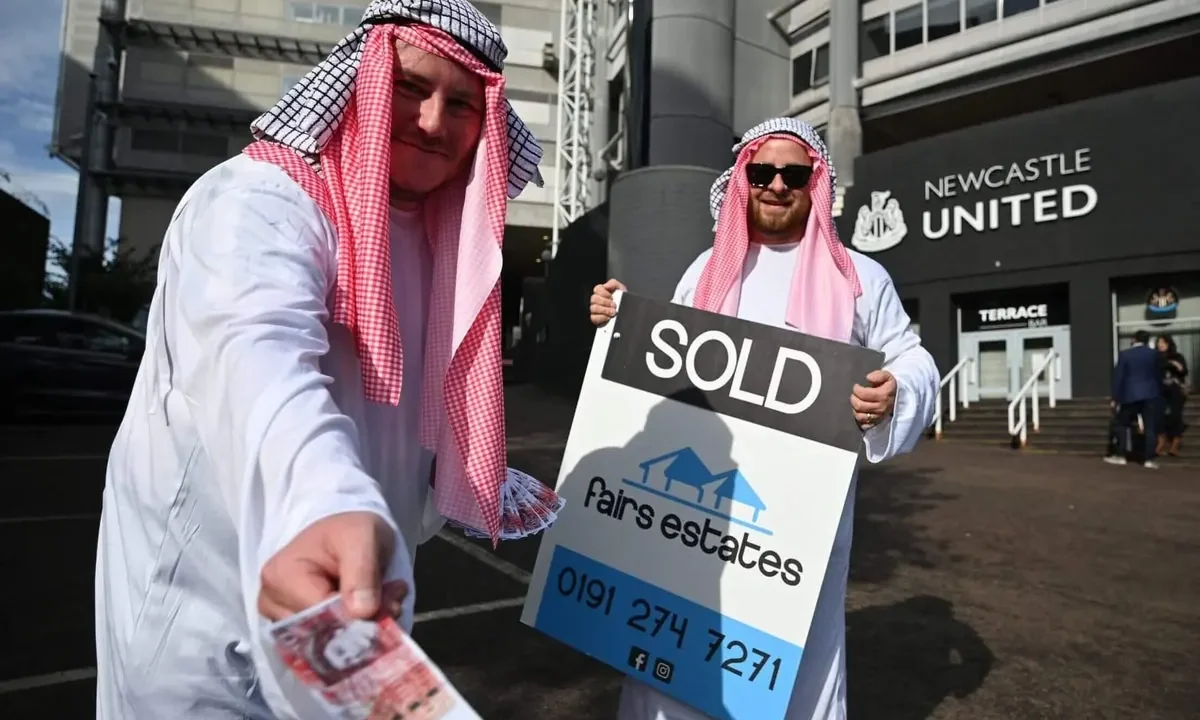
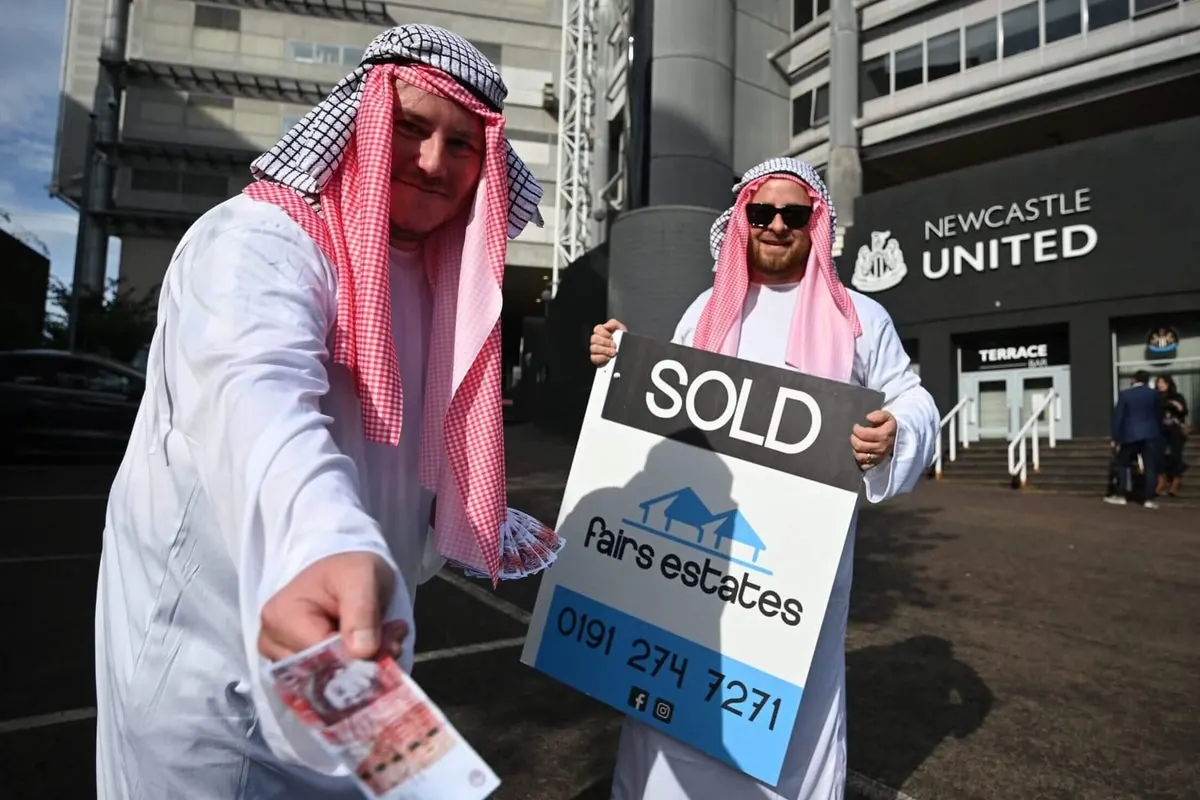
Eddie Howe’s resignation, reported by The Athletic on Thursday, marks a turning point for Newcastle United. The manager who led the club to its first domestic trophy in 70 years and back-to-back Champions League qualifications has walked away, leaving behind a squad that is being reshaped faster than many fans expected.
The departure comes just weeks after Anthony Gordon and Sandro Tonali were sold, and while club captain Bruno Guimaraes has informed executives he wants to join Arsenal. Newcastle are also facing interest from Manchester United in Lewis Hall. This is not a routine summer refresh. It is an exodus.
The shift in transfer strategy is the clearest signal yet that the Public Investment Fund’s original vision for Newcastle has changed.
Key facts
| Metric | Detail |
|---|---|
| Net spend since takeover (2021-2024) | £408m, fifth-highest in England |
| Summer 2025 net spend | £141m, a club record (including British record sale of Alexander Isak) |
| Under-21 spending in current window | Over £100m on four players: Sean Steur (18), Bazoumana Toure (20), Aladji Bamba (20), Ewen Jaouen (20) |
| Key player departures this summer | Anthony Gordon (£69m to Barcelona), Sandro Tonali (£92.5m to Spurs), Bruno Guimaraes (requested Arsenal move) |
From big spending to a youth pivot
Between the 2021 takeover and June 2024, Newcastle spent more than £450m on new players, with very few high-value departures. The wage bill jumped from 12th to 8th in the Premier League. The club was spending like a side aiming for the top.
That changed after the 2023-24 season, when Newcastle rushed to sell Elliot Anderson and Yankuba Minteh to avoid breaching profit and sustainability rules. Even then, the club’s net spend across the first three PIF seasons was £408m, ahead of Liverpool and Manchester City.
Now the pattern has reversed. This summer, Newcastle have already spent over £100m on players aged 20 or younger. Only Chelsea (£168m in 2025-26) and Brighton (£128m in 2024-25) have spent more on under-21s in a single season among English clubs.
The origin of signings has also changed. Earlier purchases under PIF targeted established talent like Sven Botman (22 at signing) and Yoane Wissa (28 last summer). Now the focus is on raw prospects from abroad, a model closer to Brighton or Brentford than the elite challenger fans were promised.
What Eddie Howe’s exit tells us
Howe’s resignation, reported by The Athletic, is not just about one man leaving. It reflects a growing gap between the manager’s expectations and the club’s new direction. Howe had already been under pressure after last season’s underwhelming finish and a wasteful summer window.
The appointment of Matthias Jaissle as his replacement tracks with the youth-first strategy. Jaissle previously managed one of the youngest squads in Europe at Red Bull Salzburg before moving to Saudi Arabia. His hiring suggests Newcastle are now building for development, not immediate trophies.
For Newcastle fans, the contrast with the euphoria of October 2021 is sharp. Back then, Amanda Staveley spoke of winning the Premier League within five to ten years. Even nine months ago, CEO David Hopkinson said he saw “this club being in the debate about being the top club in the world” by 2030.
That ambition has not been formally abandoned, but the current trajectory does not match the rhetoric.
Why the change?
The obvious factor is football’s financial rules. PIF’s wealth is vast, but Premier League profit and sustainability regulations limit how much can be spent regardless of ownership. Newcastle came close to breaching those rules in 2024 and have since adjusted.
There are also internal factors. The departure of Amanda Staveley, who sold her 10% stake in July 2024, removed a key advocate for aggressive spending. PIF itself may be recalibrating its broader sports portfolio, which includes clubs in Saudi Arabia and elsewhere.
The result is a Newcastle that is selling its best players and buying teenagers, a strategy that works for clubs aiming to stabilise and grow slowly, but not for one that promised to challenge Manchester City and Arsenal.
What this means for the season ahead
Newcastle will enter the new campaign without Howe, without Gordon, without Tonali, and likely without Guimaraes. The squad is younger and less experienced. The Carabao Cup win last season now looks like a peak rather than a beginning.
For the site’s readers, this story matters because it reshapes the competitive landscape of the Premier League. Newcastle were expected to be a long-term force. Now they look like a club in transition, one that may struggle to hold onto its remaining stars and could face a mid-table battle.
The next few weeks will show whether the new approach can work, or whether the promise of 2021 has faded for good.
Source: The Athletic Football – Newcastle’s transfer strategy has shifted: What does it say about PIF and where does it leave the club?
Source
The Athletic Football Original publication: 2026-08-02T04:14:12+00:00
Related news
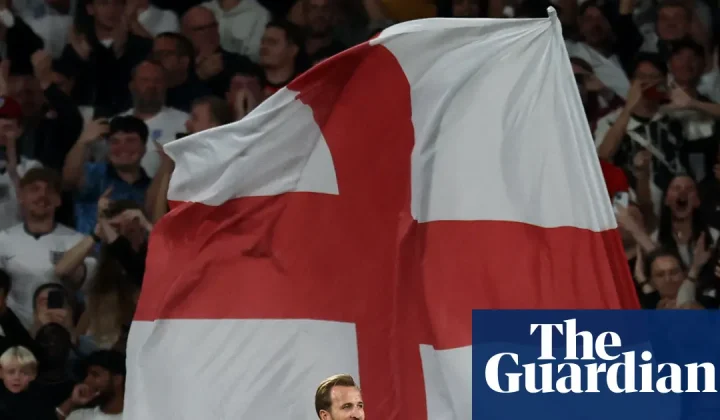
Harry Kane equals Peter Shilton’s England caps record with two goals in Nations League win over Czechia
Harry Kane scored twice on the night he equalled Peter Shilton’s all-time England appearance record, leading the Three Lions to a 3-0…
Read story
Jesse Marsch says Canada “not afraid” as USMNT friendly intensifies rivalry
Canada coach Jesse Marsch has welcomed the pressure of facing the United States, stating his team is “not afraid” as the two…
Read story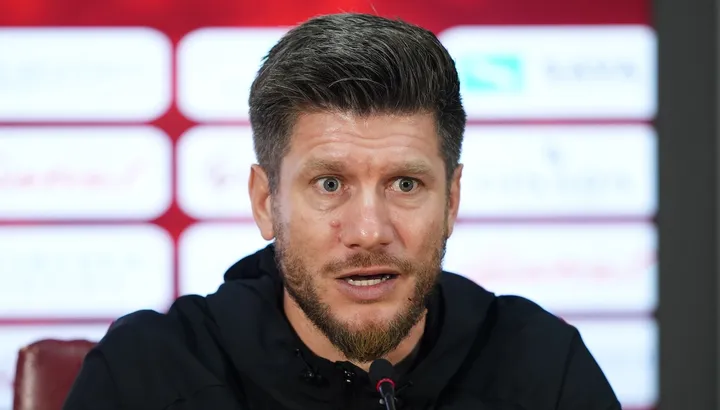
Scotland vs Slovenia: Nations League Group B1 Clash at Hampden Park
Scotland and Slovenia meet at Hampden Park in a pivotal Nations League Group B1 encounter, with both sides level on four points…
Read story
Padres Turn to Robbie Ray for NLDS Game 1 Start as Walker Buehler Goes on Paternity List
San Diego Padres manager Craig Stammen named Robbie Ray the starter for Game 1 of the NL Division Series against Milwaukee after…
Read story