
Shared Beds with Pets Boost Oxytocin and Offer Emotional Regulation, Psychology Suggests
New research indicates that sleeping with pets can foster emotional well-being by increasing oxytocin levels and providing a sense of unconditional acceptance, according to psychological studies.
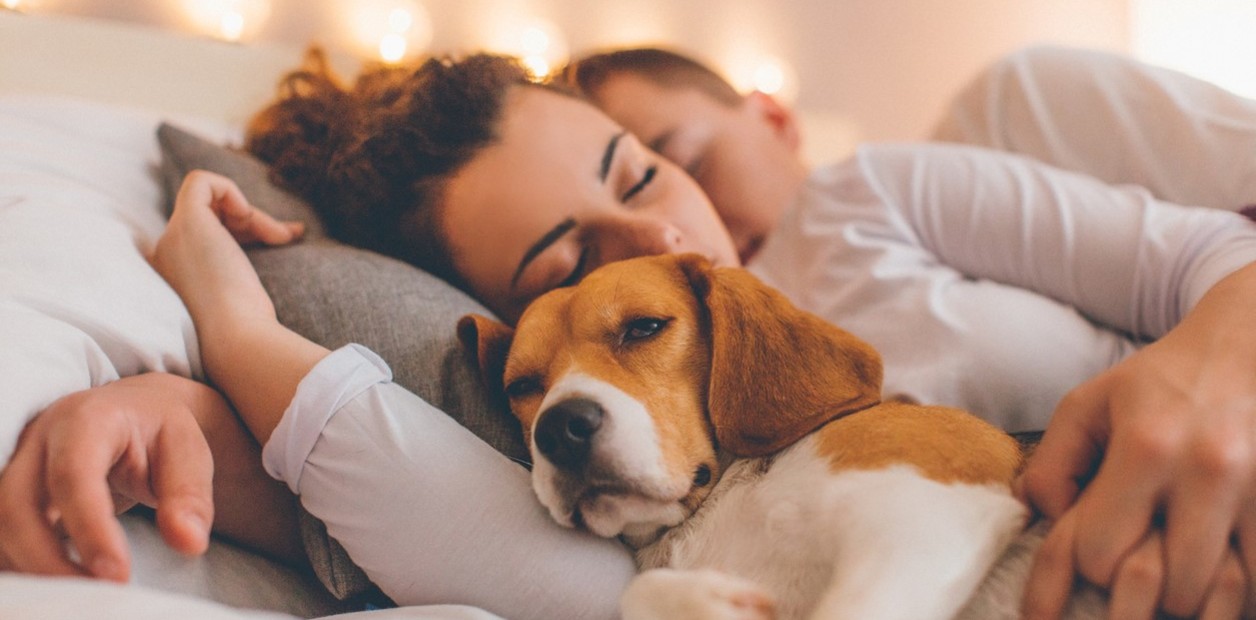
Recent psychological research suggests that sharing a bed with pets offers significant emotional benefits, extending beyond simple companionship. Studies indicate that this close physical proximity can lead to physiological responses, including increased levels of oxytocin, often referred to as the “love hormone,” which is linked to bonding, calmness, and feelings of security.
For many adults, the act of sleeping alongside a dog or cat has evolved from a mere domestic habit into a recognized form of emotional regulation. Rather than being a sign of loneliness, this practice is increasingly understood as a complex emotional experience that contributes to daily well-being.
Emotional Regulation and Calm
The presence of a pet during sleep can act as a powerful tool for emotional regulation. The physical contact, consistent routines, and proximity during rest help to lower a person’s sense of alertness. Even subtle cues, such as hearing a pet’s breathing or feeling its warmth nearby, can foster a perception of safety and tranquility.
Research published in Frontiers in Psychiatry by the University of Edinburgh highlighted that pets can help manage negative emotions, reduce anxiety, and contribute to mood stabilization. This suggests that the shared sleeping space provides a consistent source of comfort and emotional support.
The Unconditional Acceptance Factor
A key aspect that specialists have noted is the sense of unconditional acceptance pets offer. Unlike many adult human relationships, which can be influenced by expectations, demands, or the need for constant adaptation, the bond with a pet is often simpler and more stable. Pets respond to presence, shared routines, and consistent contact, rather than external validations like professional success or appearance.
This unwavering acceptance can be particularly restorative for adults experiencing stress or emotional exhaustion. In a world often characterized by mental fatigue and constant demands, the non-judgmental nature of a pet’s affection provides a unique refuge.
Oxytocin and Bonding Similarities
A well-known study published in the journal Science explored the interactions between dogs and humans. Researchers observed that shared gazes, close contact, and daily routines could elevate oxytocin levels in both species. This hormonal release is crucial for fostering attachment, promoting calmness, and enhancing emotional security.
The study identified a reciprocal “affective loop” where the pet seeks contact, eliciting a positive emotional response in the human, which in turn strengthens the bond between them. This mechanism shows striking similarities to the attachment processes observed in close human relationships, underscoring the depth of the human-animal connection.
Beyond Human Relationships
While the emotional and physiological benefits of sleeping with pets are significant, it’s important to note that they do not replace human relationships. Interpersonal bonds involve a unique complexity in emotional depth, communication, and shared life building that animals cannot replicate.
However, the science community increasingly recognizes the distinct and valuable contribution of the human-animal bond. In an era of hyperconnectivity and persistent pressures, pets offer an emotional space that is less demanding. This is not because daily problems disappear, but because there is no constant pressure to “be okay.” This ability to simply exist and be accepted might explain why sleeping with a pet has become such a meaningful experience for so many adults.
Key facts
| Aspect | Finding |
| :———————- | :——————————————————————- |
| Oxytocin Levels | Increases in both humans and pets during shared sleep and contact. |
| Emotional Regulation | Pets help reduce anxiety, negative emotions, and stabilize mood. |
| Acceptance | Pets offer unconditional acceptance, unlike many adult relationships. |
| Bonding Mechanism | Reciprocal “affective loop” strengthens the human-animal connection. |
The findings suggest that the human-animal bond, particularly through shared sleeping arrangements, offers a unique and valuable avenue for emotional well-being, providing a sense of calm, security, and unconditional acceptance that is highly sought after in today’s demanding world.
Source: Clarin Deportes, https://www.clarin.com/estados-unidos/psicologia-dice-personas-duermen-misma-cama-mascotas-menudo-reconocimiento-silencioso-mayoria-adultos-posponen-pueden-aumentar-niveles-oxitocina_0_vgnHoTOpke.html
Datos clave
| Punto | Detalle |
|---|---|
| Fuente | Clarin Deportes |
| Fecha | 2026-06-11T00:30:48+00:00 |
| Tema | La psicología dice que las personas que duermen en la misma cama con sus mascotas a menudo tienen un reconocimiento sile |
Source
Clarin Deportes Original publication: 2026-06-11T00:30:48+00:00
Related news

Borussia Dortmund Fall to Bodø/Glimt in Champions League Shock
Fredrik Sjøvold’s second-half strike gave the Norwegian side a 1-0 win over Niko Kovač’s Dortmund, who struggled to break down a disciplined…
Read story
Brajan Gruda Strike Gives RB Leipzig 1-0 Champions League Win Over PSV
Brajan Gruda scored in the 75th minute after Maarten Vandevoordt saved an Ivan Perisic penalty as RB Leipzig defeated PSV Eindhoven 1-0.
Read story
Real Betis vs Porto: Champions League Clash Preview and Prediction
Real Betis host Porto in a crucial Champions League league-phase match. Preview includes team news, possible lineups, and analysis of both sides'…
Read story
Jaguares Snatch Dramatic 3-2 Win Over Tolima in Liga BetPlay Relegation Battle
Darwin López scored a 92nd-minute winner as Jaguares de Montería secured only their second victory of the Liga BetPlay 2026-II season, defeating…
Read story