
Plug-in Hybrids Consume Significantly More Fuel Than Advertised, New Report Reveals
A new study indicates that plug-in hybrid vehicles use substantially more gasoline than manufacturer claims, raising questions about their environmental and economic benefits.
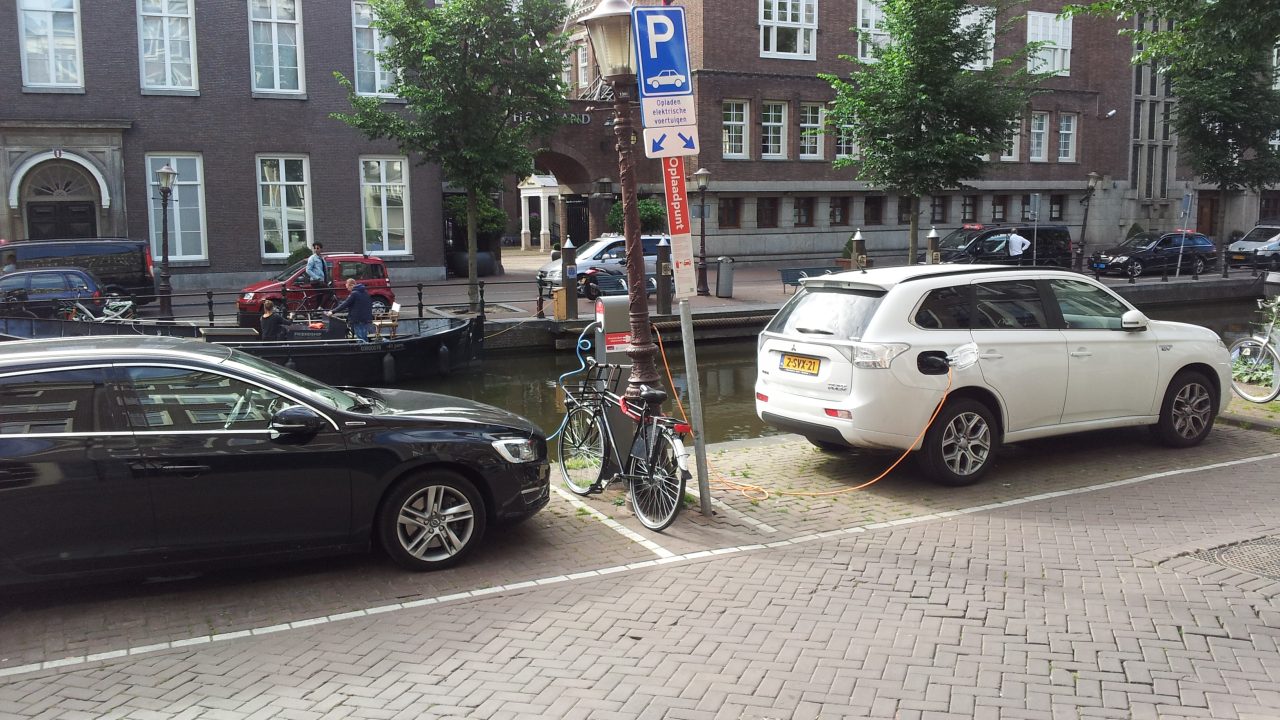

A recent report has uncovered a significant discrepancy between the advertised fuel efficiency of plug-in hybrid vehicles (PHEVs) and their real-world performance. The study indicates that these vehicles consume, on average, 401% more gasoline than manufacturers’ official figures suggest, potentially undermining their environmental credentials and economic advantages for consumers.
The research was conducted by an organization that previously played a key role in exposing the diesel emissions scandal. This background lends considerable weight to the current findings, suggesting a systemic issue within the automotive industry’s reporting of PHEV fuel economy.
Real-World Consumption vs. Official Claims
Official test cycles, designed to provide standardized fuel consumption and emissions data, appear to be failing to accurately represent how PHEVs are used in everyday driving. The report highlights that while PHEVs are designed to offer the best of both worlds – electric power for short distances and gasoline for longer journeys – their practical application often leads to much higher fuel usage than anticipated.
Factors contributing to this gap include charging habits, the length of daily commutes, and driver behavior. When the battery charge is depleted, PHEVs rely entirely on their internal combustion engine, and if this occurs frequently due to insufficient charging, the fuel consumption can escalate dramatically.
Implications for Environmental Goals
The findings raise concerns about the effectiveness of PHEVs as a tool for reducing transportation-related emissions and reliance on fossil fuels. While intended as a transitional technology towards full electrification, the substantial overconsumption of gasoline suggests that many PHEVs may not be delivering the expected environmental benefits.
This could have broader implications for government policies aimed at promoting greener transportation and meeting climate targets. If the real-world emissions of PHEVs are significantly higher than projected, it may necessitate a re-evaluation of their role in future automotive strategies.
Economic Impact on Consumers
Beyond environmental considerations, the increased fuel consumption directly impacts the wallets of PHEV owners. Drivers who believed they were purchasing a more economical vehicle may find themselves spending considerably more on gasoline than they budgeted for. This discrepancy could lead to dissatisfaction and a loss of trust in manufacturer claims and official ratings.
Understanding the actual cost of ownership is crucial for consumers making significant purchasing decisions. The report underscores the need for greater transparency and more realistic assessments of PHEV operating costs.
Datos clave
| Aspect | Finding |
|—|—|
| Average gasoline overconsumption | 401% more than advertised |
| Contributing factors | Charging habits, commute length, driver behavior |
| Key implication | Environmental benefits and economic savings may be overstated |
| Reporting organization | Previously involved in diesel emissions scandal investigation |
The development matters for FootballGames10 readers as it directly impacts the automotive landscape, a sector intertwined with global sports through sponsorships, fan travel, and the economic well-being of many nations. Understanding the true performance and cost of vehicles, especially those marketed for their efficiency and environmental benefits, is crucial for informed consumer choices and for appreciating the broader economic and environmental contexts in which football operates.
Fuente: ad.nl, https://www.ad.nl/auto/plug-inhybrides-verbruiken-gemiddeld-401-procent-meer-benzine-dan-fabriek-heeft-aangegeven~a40ea5b9/
Datos clave
| Punto | Detalle |
|---|---|
| Fuente | ad.nl |
| Fecha | 2026-06-07T04:15:26+00:00 |
| Tema | Plug-inhybrides verbruiken gemiddeld 401 procent meer benzine dan fabriek heeft aangegeven |
Source
ad.nl Original publication: 2026-06-07T04:15:26+00:00
Related news

Real Betis vs Porto: Champions League Clash Preview and Prediction
Real Betis host Porto in a crucial Champions League league-phase match. Preview includes team news, possible lineups, and analysis of both sides'…
Read story
Jaguares Snatch Dramatic 3-2 Win Over Tolima in Liga BetPlay Relegation Battle
Darwin López scored a 92nd-minute winner as Jaguares de Montería secured only their second victory of the Liga BetPlay 2026-II season, defeating…
Read story
San Lorenzo Seek First Win Under Insua as Riestra Visit in Tense Clausura Clash
Ruben Dario Insua makes several changes to his San Lorenzo lineup as the club seeks its first victory of his third tenure,…
Read story
Premier League Predictions: Man United vs Tottenham, Arsenal vs Leeds Headline Saturday’s Fixtures
Sports Mole's roundup of Saturday's Premier League gameweek six predictions, including Manchester United vs Tottenham Hotspur at Old Trafford and Arsenal vs…
Read story