
Premier League Title Race Odds: Analyzing Market Shifts and Key Factors
Explore the fluctuating betting market surrounding the Premier League title race, examining the variables that influence odds and what readers should watch for.
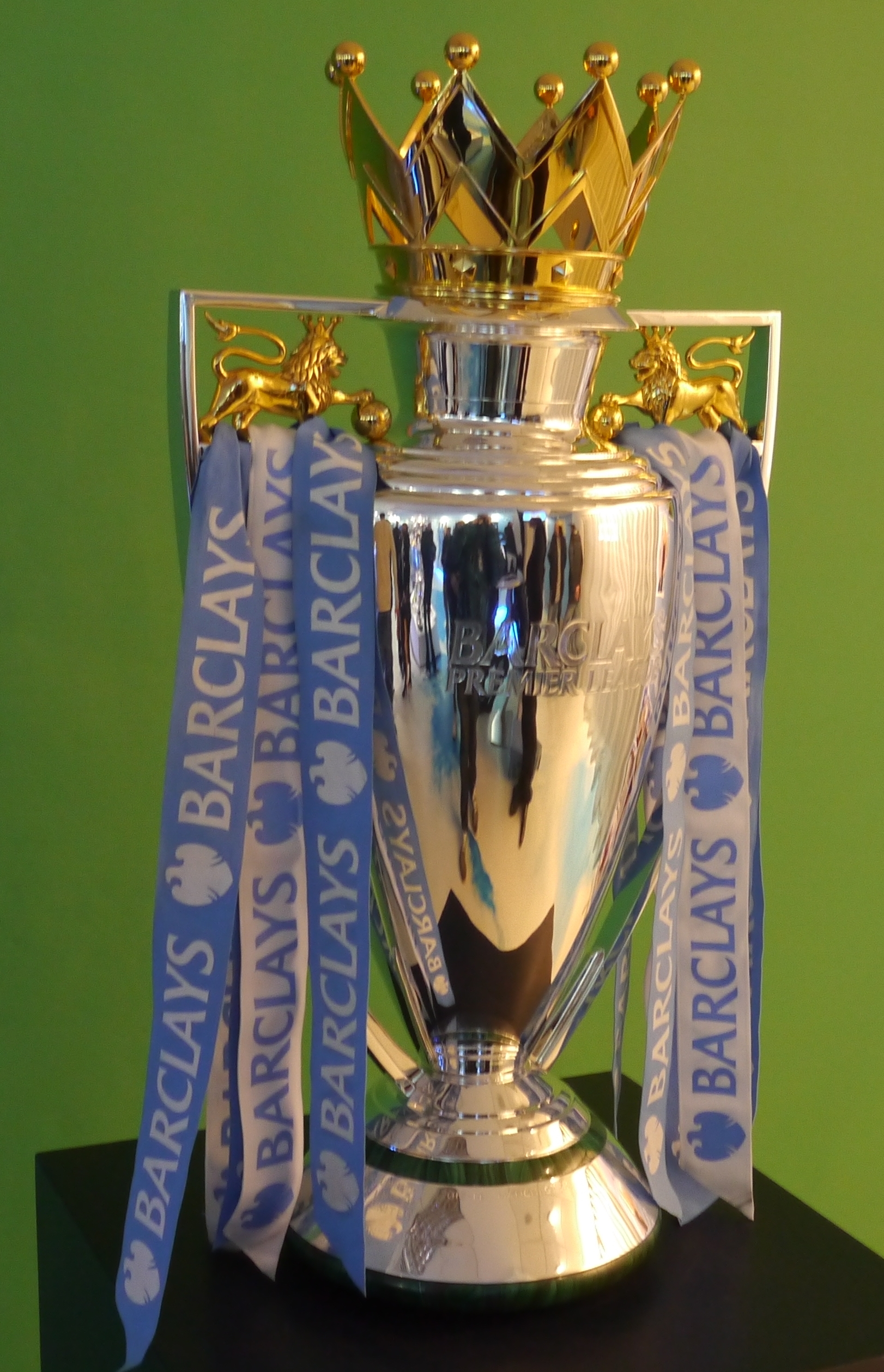
The Premier League title race is one of the most captivating spectacles in global football, and its intensity is mirrored in the ever-shifting landscape of betting odds. For followers of the league and those interested in the betting market, understanding the forces that drive these odds is crucial. This analysis delves into the factors influencing the odds for the current Premier League title contenders, offering context without providing direct betting advice.
What the Market is Reacting To
The betting market for the Premier League title is a dynamic entity, constantly reacting to a myriad of on-field and off-field developments. At its core, the odds reflect the collective wisdom and sentiment of the betting public and bookmakers, based on probabilities and perceived likelihoods. Key market movers include:
- Recent Results: A string of wins or losses for title contenders can significantly alter their odds. An unexpected slip-up against a lower-ranked team, or a dominant performance against a direct rival, will immediately be priced into the market.
- Injuries to Key Players: The absence of a star striker, a crucial midfielder, or a commanding centre-back can dramatically impact a team’s perceived strength and, consequently, their title chances. News of a significant injury will often see odds lengthen for the affected club.
- Managerial Changes: A new manager can bring a fresh impetus, tactical shifts, or a change in team morale. Such appointments can cause fluctuations in the betting market as bookmakers and bettors assess the potential impact.
- Transfer Window Activity: While the January transfer window is more impactful for immediate title races, any significant signings or departures, even in the summer, can set the tone for the season and influence long-term title odds.
- Fixture Congestion and Fatigue: As the season progresses, the demands of European competitions, domestic cups, and league fixtures take their toll. Teams navigating multiple competitions with smaller squads may see their odds drift due to perceived fatigue.
- Form of Rivals: The performance of competing teams is just as important. If a rival hits a purple patch of form, the odds for other contenders will naturally adjust to reflect the increased competition.
Team/News Variables
The internal dynamics of the leading clubs play a pivotal role in shaping the betting market. Each team’s journey through the season is punctuated by specific variables that bookmakers meticulously track.
For teams like Manchester City, Arsenal, and Liverpool, the traditional frontrunners, the market often anticipates consistency. However, even for these giants, individual player form is paramount. The goal-scoring threat of Erling Haaland, the creative spark of Kevin De Bruyne, or the defensive solidity provided by Virgil van Dijk are all factors that, when performing at their peak, shorten odds. Conversely, a dip in form for these talismanic figures, or a period of defensive frailty, can see their title odds widen.
Managerial tactics also come into play. A team known for its attacking prowess might see its odds shorten if it demonstrates improved defensive organisation, or vice-versa. The ability of a manager to adapt their strategy based on opponent strengths and weaknesses, or to rotate their squad effectively to manage fatigue, is a significant underlying factor that the market attempts to price in.
The psychological aspect cannot be underestimated. A team that has historically struggled to close out title races might find its odds lengthening even when in a strong position, reflecting a perceived mental fragility. Conversely, a team with a winning mentality and a history of overcoming adversity may see its odds shorten due to market confidence in their resilience.
Schedule and Venue Factors
The fixture list and the venues where matches are played can subtly influence betting odds, especially in the short to medium term.
Home Advantage: While a well-established concept, the impact of playing at home is particularly pronounced for teams with fervent fanbases. Stadium atmosphere, familiarity with the pitch, and the absence of travel fatigue can provide a tangible boost. Bookmakers factor in a team’s historical home record when setting odds, and a sudden decline in home form can see their outright title odds impacted.
Tough Fixtures: A run of difficult upcoming matches – against direct rivals or teams known for their defensive resilience – can cause an immediate shift in title odds. Even if a team is in good form, a challenging schedule ahead implies a higher risk of dropped points, leading to odds adjustments. Conversely, a favourable run of fixtures can see odds shorten as the market anticipates a period of accumulation of points.
European Commitments: As mentioned, teams involved in Champions League, Europa League, or Europa Conference League campaigns face additional demands. The physical and mental toll of midweek European ties can affect performance in weekend league matches. Odds compilers will consider the extent of these commitments when assessing a team’s title prospects, particularly during busy periods of the season.
Expert/Media Disagreement
While the market often coalesces around a consensus, there are instances where expert opinion and media commentary diverge, creating interesting signals. Disagreements can arise from:
- Differing Tactical Analyses: Pundits may have contrasting views on a team’s tactical setup, its strengths and weaknesses, or the effectiveness of a manager’s strategy.
- Subjective Player Assessments: Opinions on individual player form, potential, or impact can vary significantly.
- Interpreting News: Reports of internal team issues, training ground incidents, or player morale can be interpreted differently by various sources.
- Statistical Models vs. Gut Feeling: Some analysts rely heavily on advanced statistical models, while others place more weight on traditional scouting and observational insights.
When reputable sources present conflicting viewpoints, it suggests a degree of uncertainty in the market. This can be an opportunity for readers to conduct their own research, comparing the evidence presented by different experts before forming their own conclusions. It’s important to remember that these are opinions and analyses, not definitive truths.
What to Verify Before Kickoff
Before considering any market movements or forming an opinion on title contenders, it is essential to verify certain key pieces of information. This due diligence helps to ground any analysis in factual reality.
- Official Team News: Always refer to official club statements, press conferences, or reliable sports news outlets for confirmed injury updates, suspensions, or team news. Social media rumours should be treated with extreme caution.
- Recent Form and Head-to-Head Records: Consult reliable statistics providers for up-to-date league tables, recent match results, and head-to-head statistics between the title contenders and their upcoming opponents.
- Fixture Schedule: Confirm the upcoming fixture list for all relevant teams, noting any potential clashes or challenging runs.
- Timestamped Odds: If considering betting market movements, always check the timestamp of any odds mentioned. Odds change rapidly, and older data can be highly misleading.
Responsible Context
It is vital to approach discussions about betting odds with a sense of responsibility. The odds presented by bookmakers are a reflection of perceived probabilities and market sentiment, not a guarantee of outcomes. Football is inherently unpredictable, and upsets are a regular occurrence.
The purpose of analyzing betting odds in this context is to provide a deeper understanding of the market’s perception of a team’s title chances, informed by real-world factors. It is not intended as betting advice. Readers should always gamble responsibly and within their means, recognizing that there is no such thing as a guaranteed win. If you or someone you know has a gambling problem, seek help from a professional organisation.
| Market Factor | Evidence/Source Status | Reader Takeaway | Risk of Being Stale |
|---|---|---|---|
| Key Player Injury | Official club statements, reputable sports news feeds | Odds for the affected team likely to lengthen; market reacts swiftly. | Low |
| Recent Run of Form | League tables, match reports from official sources | Sustained winning streaks shorten odds; consecutive losses lengthen them. | Low |
| Fixture Difficulty | Official league schedules, reputable sports analysis | A tough upcoming schedule can cause odds to drift, even for in-form teams. | Medium |
| Managerial Change | Official club announcements, major sports news outlets | Can cause short-term volatility as market assesses impact; long-term effect uncertain. | Medium |
| Expert Disagreement | Punditry from multiple trusted media outlets | Indicates market uncertainty; warrants further individual research. | Medium |
Do not overread this
This article provides context for the betting market surrounding the Premier League title race, drawing on publicly available information and general football knowledge. It does not offer predictions or betting tips. The odds are a fluid reflection of many variables, and their movement is a fascinating aspect of sports journalism. Always verify information from official sources and gamble responsibly.
Related news
Bruno Fernandes Contract Talks Underway as Man United Face Key Summer Decisions
Manchester United are in active discussions with captain Bruno Fernandes over a contract extension, according to reports, as the 32-year-old enters the…
Read story
Celtic’s Europa League struggles deepen as Benfica expose familiar flaws
A 4-1 defeat in Lisbon leaves Celtic with two losses from two Europa League group games. Martin O’Neill sees positives in the…
Read story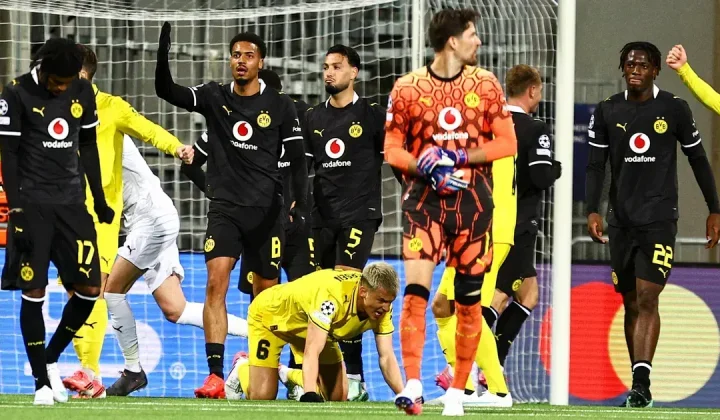
Borussia Dortmund Fall to Bodø/Glimt in Champions League Shock
Fredrik Sjøvold’s second-half strike gave the Norwegian side a 1-0 win over Niko Kovač’s Dortmund, who struggled to break down a disciplined…
Read story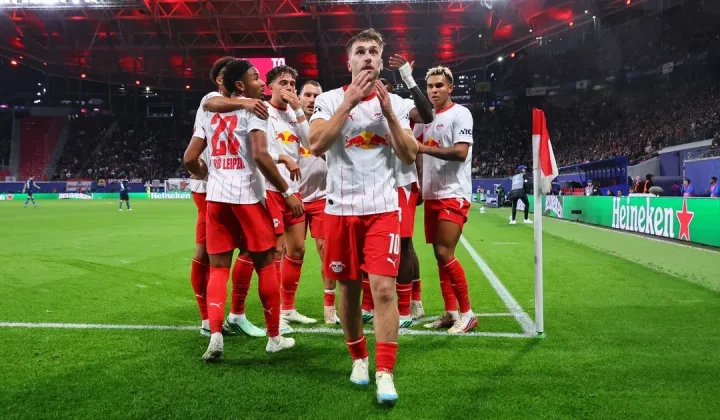
Brajan Gruda Strike Gives RB Leipzig 1-0 Champions League Win Over PSV
Brajan Gruda scored in the 75th minute after Maarten Vandevoordt saved an Ivan Perisic penalty as RB Leipzig defeated PSV Eindhoven 1-0.
Read story