
The PSG Paradox: State-Backed Success Meets Footballing Brilliance
Paris Saint-Germain is lauded for its captivating style of play and recent European triumph, yet its ownership by Qatar Sports Investments raises complex questions about sportswashing and geopolitical influence.
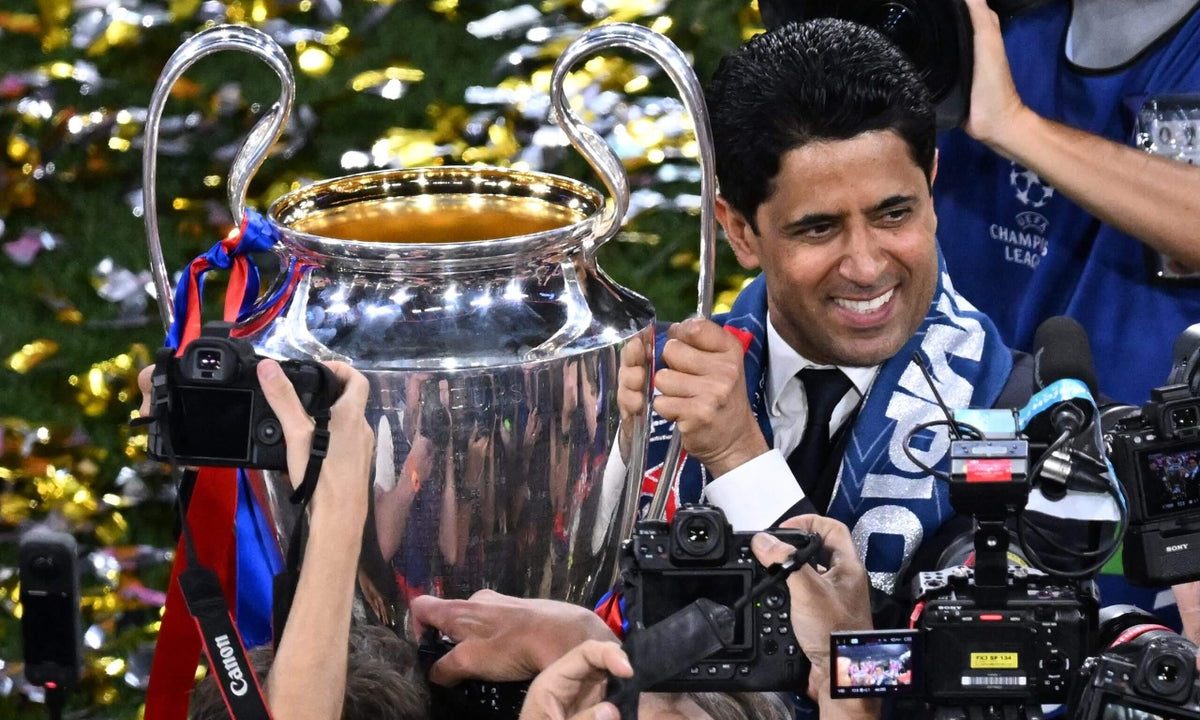
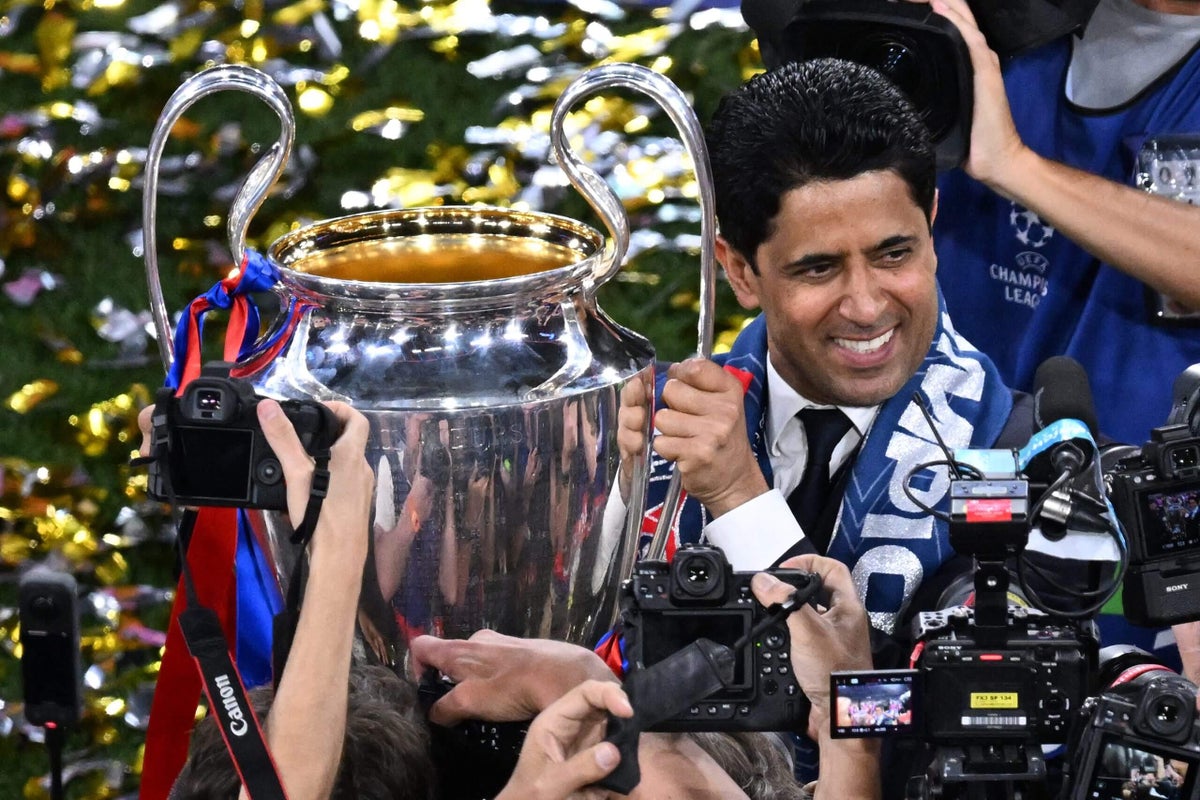
Paris Saint-Germain are currently enjoying a period of unprecedented success, dominating European football with a captivating style of play. Their performances, marked by fast, attacking football and star-studded lineups, have earned them praise as arguably the best and most entertaining team in the world. However, this on-field brilliance is inextricably linked to their ownership by Qatar Sports Investments (QSI), a situation that sparks debate around sportswashing, soft power, and the broader geopolitical implications of state-backed clubs.
A Joy to Watch
The current PSG squad is lauded for its attacking flair and depth, featuring players like Ousmane Dembele, Desire Doue, Bradley Barcola, and Khvicha Kvaratskhelia. Their style of play is characterized by speed, skill, and a structured yet dynamic approach that often results in high-scoring matches. Many observers feel their performances embody football as it “was meant to be played,” offering entertainment value that justifies the cost of attendance or subscription.
The Qatari Influence
QSI acquired PSG in 2011, shortly after Qatar was awarded the 2022 FIFA World Cup. The club’s transformation under QSI has been dramatic, both financially and in terms of on-field achievements. The initial investment of around €70 million has seen the club’s valuation skyrocket, with a 12.5 percent stake sold in 2023 valuing the entire entity at approximately €4.25 billion.
Brand Building and Strategic Evolution
Nasser Al-Khelaifi, chairman of QSI and PSG, has openly discussed the club’s initial focus on brand building. Early strategies involved signing high-profile players, even if they didn’t always form a cohesive team, and emphasizing the club’s connection to Paris through branding and partnerships, including collaborations with Nike’s Jordan imprint and attracting celebrity endorsements. The expansion of PSG’s retail presence globally, with Superstores in key international cities, was also a significant objective.
Transfer Policy Phases
PSG’s transfer strategy has evolved over time. Initially, the focus was on established stars like Zlatan Ibrahimovic and David Beckham. This was followed by the era of “galacticos” with signings such as Neymar, Kylian Mbappe, and Lionel Messi. More recently, the club has shifted towards building a more cohesive and youthful team, acquiring talents like Dembele, Doue, Barcola, and Kvaratskhelia. While the stated ambition of fielding a team primarily composed of French youth products or homegrown players has not been fully realized, the current squad’s performance on the pitch is undeniable.
The Geopolitical Dimension
Beyond the footballing success, the ownership of PSG by Qatar raises significant questions about the nation’s use of the club as a tool for soft power and geopolitical influence. The increased global awareness of Qatar, partly driven by PSG and the World Cup, has also shone a light on issues such as the treatment of migrant workers, restrictions on freedoms, and the rights of women and LGBTQI individuals. While the extent of the success of this “PR drive” is debatable, the club undeniably serves as a significant geopolitical asset for Qatar.
A Cause for Suspicion?
The concept of a state owning a football club, regardless of moral considerations surrounding Qatar’s human rights record, warrants scrutiny. In an era where many major clubs are seen as morally compromised in various ways, the direct ownership by a nation-state presents a unique dynamic that challenges the traditional notion of football as a pure sporting endeavor.
Datos clave
| Aspecto | Detalle |
|—|—|
| Propietario | Qatar Sports Investments (QSI) |
| Valoración del club | Aproximadamente €4.25 mil millones (2023) |
| Logros clave | 12 de los últimos 14 títulos de liga franceses, reciente campeón de la Champions League |
| Estrategia inicial | Construcción de marca, fichaje de estrellas |
| Evolución | Hacia un equipo joven y cohesionado |
This development matters to FootballGames10 readers as it highlights the increasing intersection of sport, finance, and international politics. Understanding the driving forces behind major clubs like PSG offers a more complete picture of the modern football landscape, influencing everything from transfer markets to club valuations and the very nature of sporting competition.
Fuente: The Athletic Football – https://www.nytimes.com/athletic/7282259/2026/05/29/psg-paradox-arsenal-champions-league-final/
Datos clave
| Punto | Detalle |
|---|---|
| Fuente | The Athletic Football |
| Fecha | 2026-05-29T04:14:23+00:00 |
| Tema | The PSG paradox: Football’s most beautiful team are also the sport’s most successful state project |
Source
The Athletic Football Original publication: 2026-05-29T04:14:23+00:00
Related news
Premier League Predictions: Man United vs Tottenham, Arsenal vs Leeds Headline Saturday’s Fixtures
Sports Mole's roundup of Saturday's Premier League gameweek six predictions, including Manchester United vs Tottenham Hotspur at Old Trafford and Arsenal vs…
Read story
One Injured in Marble Hill Shooting; No Football Disruption Confirmed
A person was hospitalized after a shooting reportedly involving federal agents in New York’s Marble Hill neighborhood. The initial account identifies no…
Read story
Boca vs River Superclásico Confirmed for November 1 at La Bombonera
The Argentine Professional League has set the date and time for the next Boca Juniors vs River Plate Superclásico, scheduled for Sunday,…
Read story
Harry Kane equals Peter Shilton’s England caps record with two goals in Nations League win over Czechia
Harry Kane scored twice on the night he equalled Peter Shilton’s all-time England appearance record, leading the Three Lions to a 3-0…
Read story