
Spain Crowned World Cup Champions, Triumphing with Methodical Play
Spain has secured the 2026 FIFA World Cup title, showcasing a victory for methodical, possession-based football over individual brilliance. Their consistent collective performance culminated in a 2-0 semi-final win against France and a 1-0 final victory over Argentina.
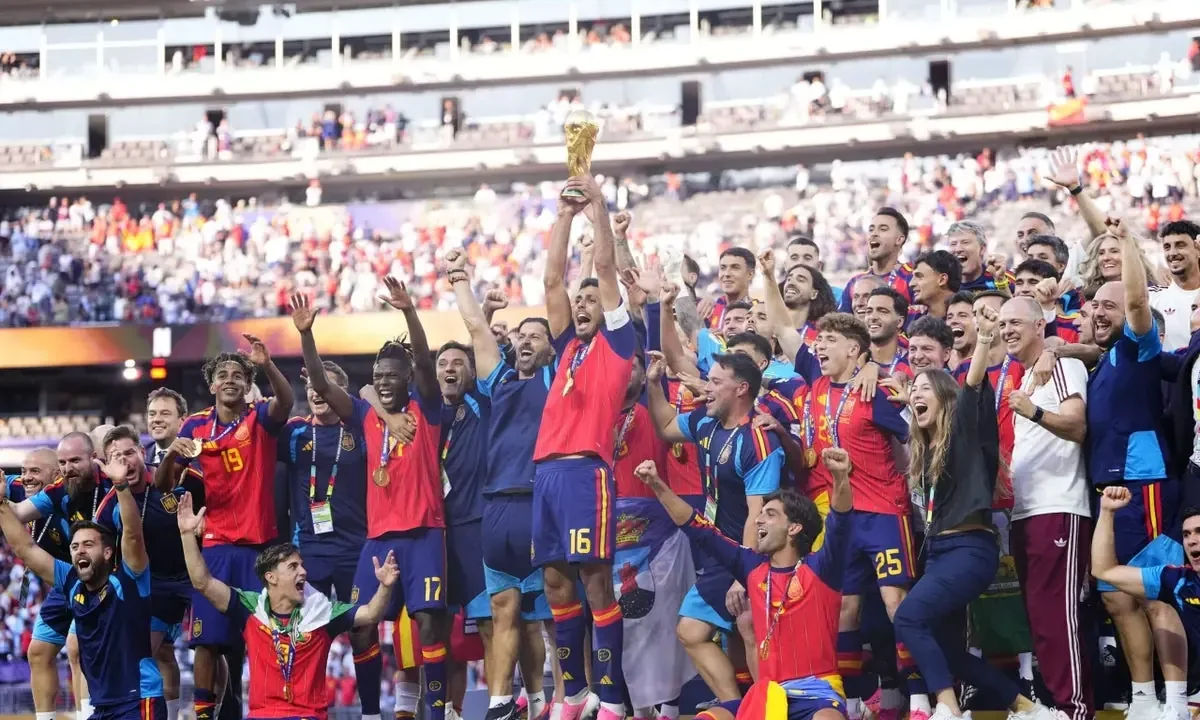
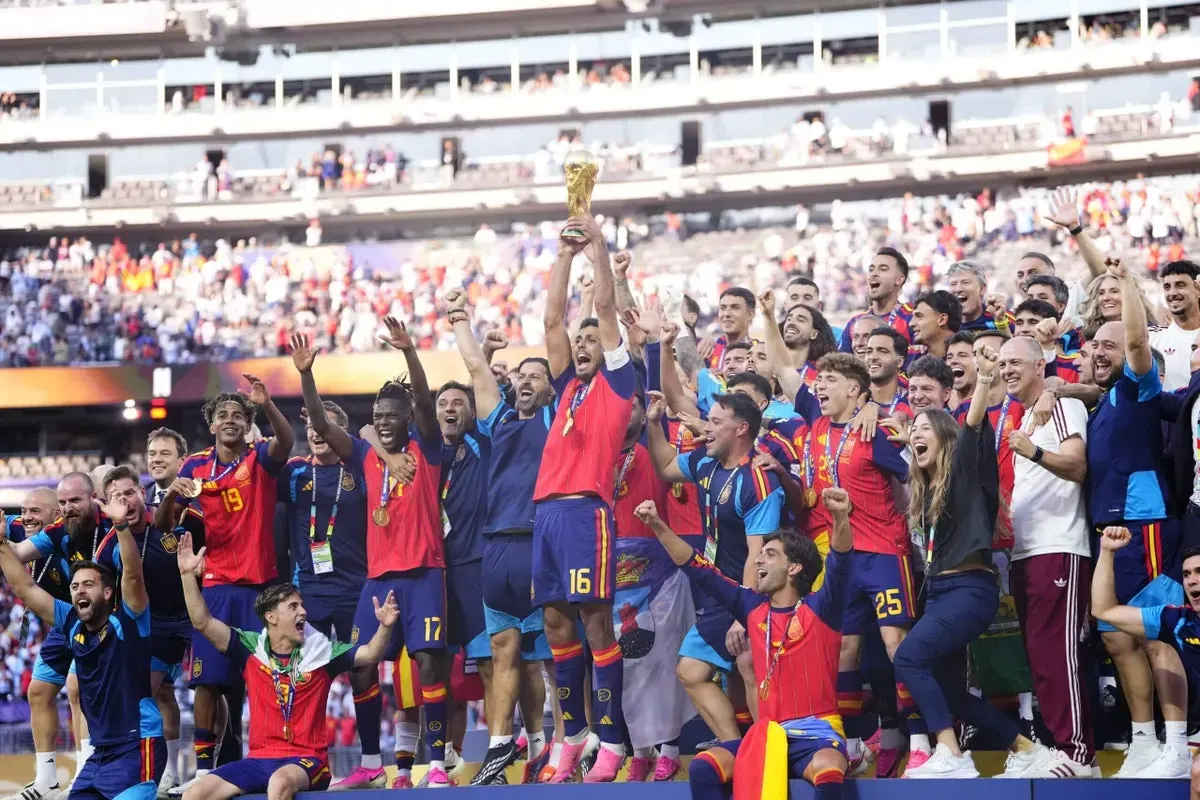
Spain has been crowned champions of the 2026 FIFA World Cup, securing the title after a dominant display of methodical, possession-based football. Their victory marks a significant achievement, highlighting the strength of a cohesive collective over the individual heroics that often define major tournaments. The final saw Spain overcome Argentina 1-0, following a hard-fought semi-final win against France.
The tournament, which spanned over five and a half weeks across three countries, concluded with Spain asserting itself as the standout team. After a slow start, including a 0-0 draw with Cape Verde in their opening game, Spain found their rhythm, conceding only one goal in their subsequent eight matches. This defensive solidity combined with intelligent, controlled possession proved to be their winning formula.
Key Facts
| Detail | Description |
|---|---|
| Tournament | 2026 FIFA World Cup |
| Winners | Spain |
| Final Opponent | Argentina |
| Final Score | Spain 1-0 Argentina |
| Semi-final Score | Spain 2-0 France |
| Golden Ball | Rodri (Spain) |
| Young Player | Pau Cubarsi (Spain) |
Triumph of Teamwork and Possession
Spain’s success is a testament to teamwork and a clear footballing identity. Their controlled possession style, reminiscent of their golden era in the late 2000s and early 2010s, contrasted sharply with the more emotional and at times chaotic approach of their opponents. The decisive goal in the final came from Ferran Torres in extra time, breaking a tense stalemate against an increasingly frustrated Argentine side. Argentina’s midfielder Enzo Fernandez was sent off for a second bookable offense, underscoring their aggressive approach that yielded few attacking opportunities.
This victory echoes past World Cup finals where tactical discipline triumphed over individual flair. The 1990 final, where West Germany overcame a defensive Argentina, and Spain’s own 2010 triumph against a physically aggressive Netherlands, serve as historical parallels. Spain’s current success reinforces the idea that sustained development and a clear playing philosophy are crucial in international football.
Individual and Collective Recognition
While Spain’s triumph was a collective effort, individual players received significant accolades. Captain Rodri, instrumental in midfield, was awarded the FIFA Golden Ball for the tournament’s outstanding player, showcasing a return to his top form after a previous injury. Young defender Pau Cubarsi earned the young-player award, excelling alongside Aymeric Laporte in central defense. Full-backs Pedro Porro and Marc Cucurella also delivered stellar performances, contributing significantly at both ends of the pitch.
The contributions extended throughout the squad, with players like Fabian Ruiz, Mikel Merino, Pedri, Nico Williams, and Mikel Oyarzabal playing vital roles. Ferran Torres, coming off the bench to score the World Cup-winning goal, epitomized the depth and impact of Spain’s collective strength.
A New Golden Era for Spanish Football
This World Cup win solidifies Spain’s position in another golden era of football. The country’s commitment to a coherent playing style and a structured approach to player and coach development is evident. Under coach Luis de la Fuente, who previously coached Spain’s U-19 and U-21 teams for nine years, the national team has blossomed. This long-term vision stands in contrast to the “quick-fix” mentality often seen in other footballing nations.
The success of Spanish coaches in club football, with five Premier League teams currently managed by Spaniards, further highlights the depth of coaching talent emerging from the country. This systemic approach has enabled Spain to consistently produce top-tier players and maintain a distinctive footballing philosophy that has now yielded another World Cup title.
Source: The Athletic Football
Source
The Athletic Football Original publication: 2026-07-20T05:44:56+00:00
Related news
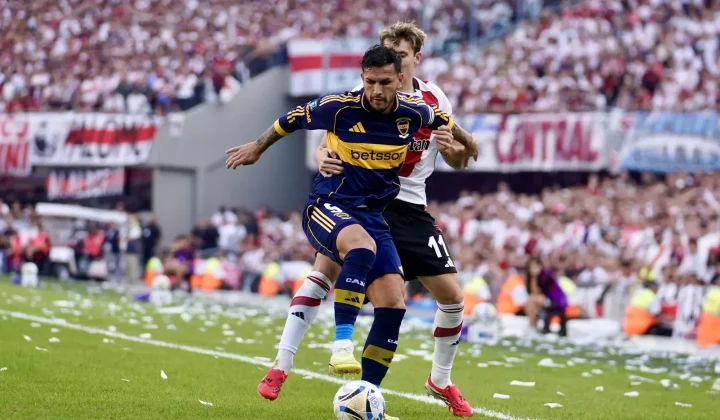
Boca vs River Superclásico Confirmed for November 1 at La Bombonera
The Argentine Professional League has set the date and time for the next Boca Juniors vs River Plate Superclásico, scheduled for Sunday,…
Read story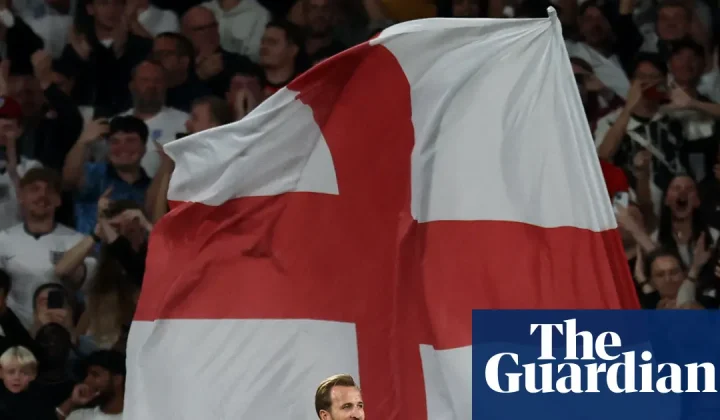
Harry Kane equals Peter Shilton’s England caps record with two goals in Nations League win over Czechia
Harry Kane scored twice on the night he equalled Peter Shilton’s all-time England appearance record, leading the Three Lions to a 3-0…
Read story
Jesse Marsch says Canada “not afraid” as USMNT friendly intensifies rivalry
Canada coach Jesse Marsch has welcomed the pressure of facing the United States, stating his team is “not afraid” as the two…
Read story
Scotland vs Slovenia: Nations League Group B1 Clash at Hampden Park
Scotland and Slovenia meet at Hampden Park in a pivotal Nations League Group B1 encounter, with both sides level on four points…
Read story