
Spurs’ Interest in Tonali Highlights Newcastle’s Financial Mountain to Climb
Tottenham Hotspur's pursuit of Newcastle United midfielder Sandro Tonali underscores the significant financial disparities that Newcastle must overcome to compete consistently among England's elite clubs.
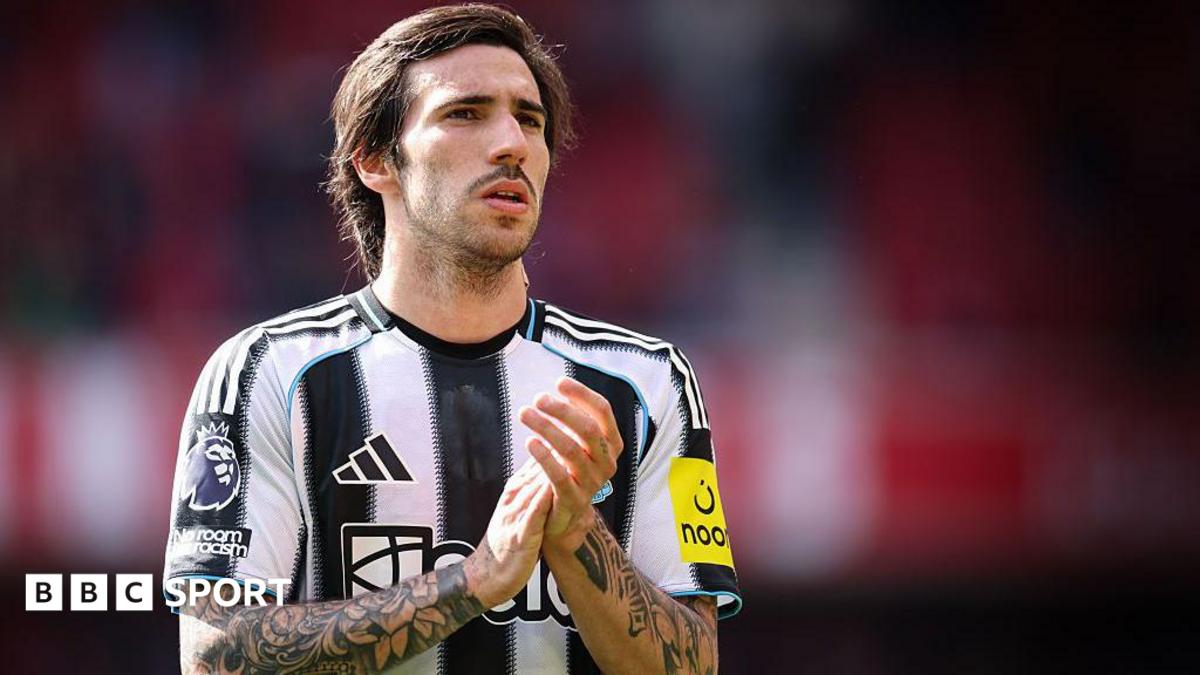
The recent pursuit of Newcastle United midfielder Sandro Tonali by Tottenham Hotspur has brought into sharp focus the significant financial chasm that Newcastle must bridge to establish themselves as a consistent force in English football’s top tier. Despite Tottenham’s own recent struggles, including narrowly avoiding relegation in the 2024-25 season, their capacity to challenge for top talent highlights the enduring financial power of the established elite.
Financial Disparity Between Clubs
Official financial reports reveal a substantial income gap between Tottenham and Newcastle. For the 2024-25 period, Tottenham generated approximately £230 million more in revenue than Newcastle. This difference provides Spurs with a significant advantage, enabling them to offer considerably higher wages and contemplate substantial transfer bids, such as the reported £80 million for Tonali, while remaining compliant with financial regulations.
Even though Tottenham’s bid for Tonali was unsuccessful, and other major clubs like Manchester City and Arsenal have yet to make formal offers, the underlying financial power dynamic is clear. This disparity means that clubs with greater revenue streams can often attract and retain key players more easily, presenting a persistent challenge for clubs like Newcastle aiming to ascend the league table.
Impact on Newcastle’s Squad
The potential departure of Sandro Tonali would represent a significant blow to Newcastle’s squad, marking the loss of three of their four most influential players within the past year. The earlier sales of Alexander Isak to Liverpool for £125 million and Anthony Gordon to Barcelona for £69 million have already weakened the team. While Newcastle has improved its business acumen in player trading, the repeated loss of top talent raises concerns about their long-term strategy for squad building and retention.
Challenges in Attracting Talent
Attracting and retaining top players has been a recurring theme for Newcastle. Manager Eddie Howe has publicly acknowledged the difficulties in signing desired players, expressing concerns that these challenges will likely intensify. Despite securing goalkeeper Ewen Jaouen and showing interest in other targets, Newcastle has found itself outbid by rivals, with several players opting for moves to more established clubs. This pattern, observed in previous transfer windows, suggests a need for Newcastle to enhance its appeal beyond financial offers alone.
The Club’s Project and Ambitions
Newcastle’s project, particularly since the Saudi-led takeover, has been centered on long-term development and ambition. The club aims to compete at the highest level by 2030, but tangible progress is required. Plans for a new state-of-the-art training ground are in motion, but the stadium situation remains a pivotal factor in bridging the significant revenue gap.
Historically, Newcastle once generated more match-day income than Tottenham. However, this gap has widened dramatically. Tottenham’s commercial revenue, boosted by events and associated partnerships like the NFL, reached £277.1 million in the most recent accounts, compared to Newcastle’s £120.2 million.
Bridging the Revenue Gap
Football finance expert Kieran Maguire suggests that to consistently compete for Champions League places, Newcastle may need to consider a new stadium. This decision involves a trade-off between the emotional attachment to St. James’ Park and the financial necessity of a modern, larger venue capable of generating greater match-day and commercial income. The choice between upgrading the existing stadium or building anew will be critical for Newcastle’s long-term aspirations.
Key Figures in the Financial Landscape
| Aspect | Detail |
|---|---|
| Revenue Difference (2024-25) | Tottenham generated approximately £230m more than Newcastle. |
| Reported Tonali Bid | Spurs reportedly made an £80m offer for the midfielder. |
| Key Player Sales | Newcastle has sold Isak (£125m) and Gordon (£69m) in the past year. |
| Match-day Revenue (2024-25) | Newcastle: £51.6m, Spurs: £126.5m. |
| Commercial Revenue (2024-25) | Newcastle: £120.2m, Spurs: £277.1m. |
The pursuit of Sandro Tonali by Tottenham Hotspur serves as a clear indicator of the financial challenges Newcastle United faces. While clubs like Aston Villa have demonstrated that disruption of the established order is possible through on-field success, the enduring financial strength of the traditional elite remains a significant hurdle. Newcastle’s ability to navigate these financial disparities, particularly through strategic infrastructure development and player retention, will be crucial in their quest to achieve sustained success at the highest level of European football.
Source: BBC Sport Football – Spurs’ Tonali hunt shows chasm Newcastle must bridge – https://www.bbc.co.uk/sport/football/articles/cq8177l2wplo
Source
BBC Sport Football Original publication: 2026-06-24T08:48:32+00:00
Related news
Bruno Fernandes Contract Talks Underway as Man United Face Key Summer Decisions
Manchester United are in active discussions with captain Bruno Fernandes over a contract extension, according to reports, as the 32-year-old enters the…
Read story
Celtic’s Europa League struggles deepen as Benfica expose familiar flaws
A 4-1 defeat in Lisbon leaves Celtic with two losses from two Europa League group games. Martin O’Neill sees positives in the…
Read story
Borussia Dortmund Fall to Bodø/Glimt in Champions League Shock
Fredrik Sjøvold’s second-half strike gave the Norwegian side a 1-0 win over Niko Kovač’s Dortmund, who struggled to break down a disciplined…
Read story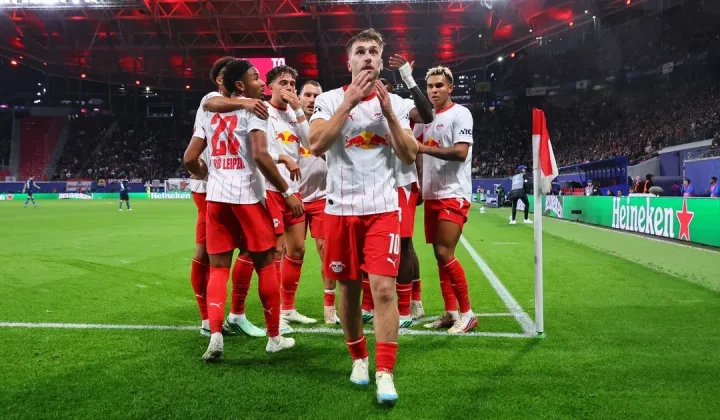
Brajan Gruda Strike Gives RB Leipzig 1-0 Champions League Win Over PSV
Brajan Gruda scored in the 75th minute after Maarten Vandevoordt saved an Ivan Perisic penalty as RB Leipzig defeated PSV Eindhoven 1-0.
Read story