
Sweden Coach Potter Unimpressed by World Cup Drink Breaks
Sweden's national team coach, Graham Potter, has expressed reservations about the introduction of drink breaks at the World Cup, citing concerns over the disruption to game dynamics.
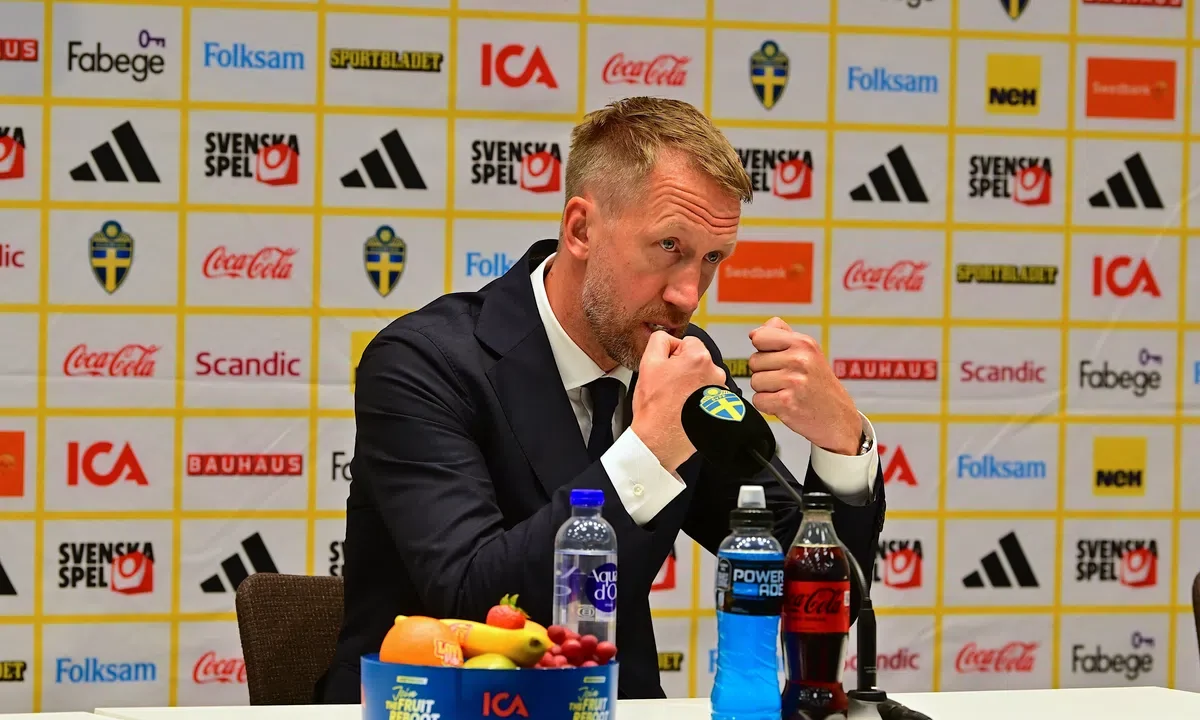
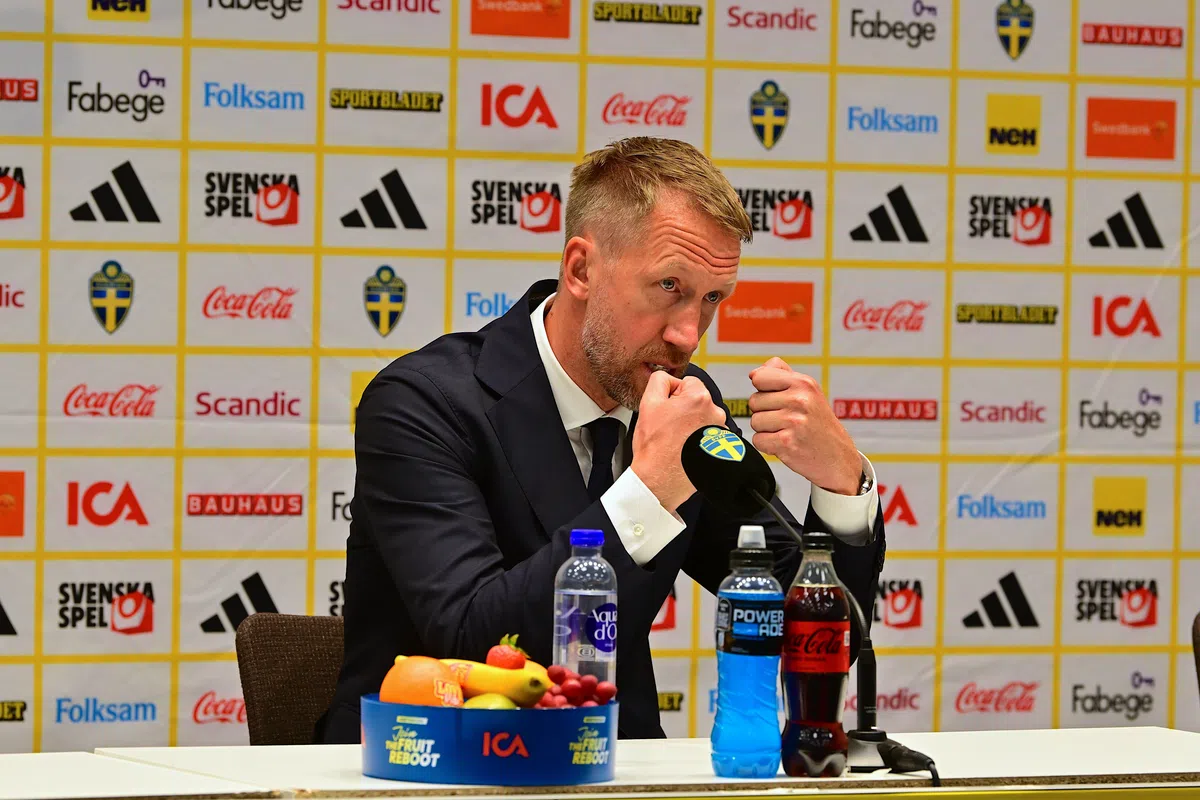
Sweden’s national team coach, Graham Potter, has voiced his reservations about the tactical implications of the drink breaks introduced at the current World Cup. While acknowledging their necessity due to the North American heat, Potter believes the breaks disrupt the natural flow and dynamic of a football match.
The FIFA initiative sees two drink breaks implemented in each half of World Cup fixtures, a change that divides games into four distinct quarters rather than two halves. Potter, speaking ahead of Sweden’s opening match against Tunisia in a group that also includes the Netherlands, highlighted how these interruptions can alter a game’s momentum.
Tactical Adjustments and Game Dynamics
Potter explained that the extended duration of these breaks, which he noted as being around 45 minutes in total per half when combined, offers opportunities for tactical adjustments that were not previously possible. “We’ve only seen it in a few games so far, so it’s difficult to say too much about it,” Potter stated. “But it does change the dynamic of a match, because it’s suddenly divided into four quarters. That certainly changes things. It sounds obvious, but if a team has the upper hand, that can now change after such a break.”
He emphasized that while the breaks present both advantages and disadvantages, teams have no influence over their implementation. “It’s not our decision. I understand why it has been introduced, and now we have to adapt and make use of it, hopefully,” the Swedish coach added. The ability to regroup and implement new strategies during these pauses could prove significant in tightly contested matches.
Swedish Team Performance and Aspirations
Looking ahead to Sweden’s tournament opener, Potter adopted a tone of realistic modesty regarding his team’s prospects. He acknowledged the team’s challenging qualification campaign and recent performances, which he believes still show room for improvement, despite positive results in the third tier of the Nations League.
“We also missed the last World Cup, and our qualification was not smooth. Recent results – apart from the third tier in the Nations League – certainly leave room for improvement. We are keen to do that,” Potter admitted. However, he also pointed to the potential within the squad. “Meanwhile, I also look at the potential and the talent in the squad. If we can get the group together, with everyone pulling in the same direction, we have players who can make a difference.”
Potter cautioned against overconfidence, reminding observers that “football is difficult; if you don’t play well, you can lose every game.” Conversely, he expressed optimism that a strong performance could lead to surprising results: “But that works the other way too: if we play well, we can surprise everyone and win every game.”
Squad Fitness
On a positive note for the Scandinavian side, Potter confirmed that all players are fit and available for selection. Left-back Gabriel Gudmundsson, who had been feeling unwell, has returned to training and is deemed fit enough to participate.
Key facts
| Aspect | Detail |
|---|---|
| Coach’s Concern | Drink breaks disrupt game dynamics and allow for tactical regrouping. |
| World Cup Rule Change | Two drink breaks per half, dividing matches into four quarters. |
| Sweden’s Outlook | Cautious optimism regarding team potential, acknowledging need for improvement. |
| Squad Status | All players, including Gudmundsson, are fit and available. |
The introduction of drink breaks is a unique feature of this World Cup, designed to mitigate the effects of the heat. However, as Graham Potter’s comments suggest, this change might have unintended consequences for the tactical ebb and flow of matches, offering coaches new opportunities to influence proceedings mid-game. For fans and analysts, observing how teams adapt to and utilize these breaks will be a key aspect of the tournament’s unfolding narrative.
Source: Voetbal International, https://www.vi.nl/nieuws/zweedse-bondscoach-nog-niet-kapot-van-drinkpauzes-verandert-de-dynamiek
Source
Voetbal International Original publication: 2026-06-14T07:31:00+00:00
Related news
Celtic’s Europa League struggles deepen as Benfica expose familiar flaws
A 4-1 defeat in Lisbon leaves Celtic with two losses from two Europa League group games. Martin O’Neill sees positives in the…
Read story
Borussia Dortmund Fall to Bodø/Glimt in Champions League Shock
Fredrik Sjøvold’s second-half strike gave the Norwegian side a 1-0 win over Niko Kovač’s Dortmund, who struggled to break down a disciplined…
Read story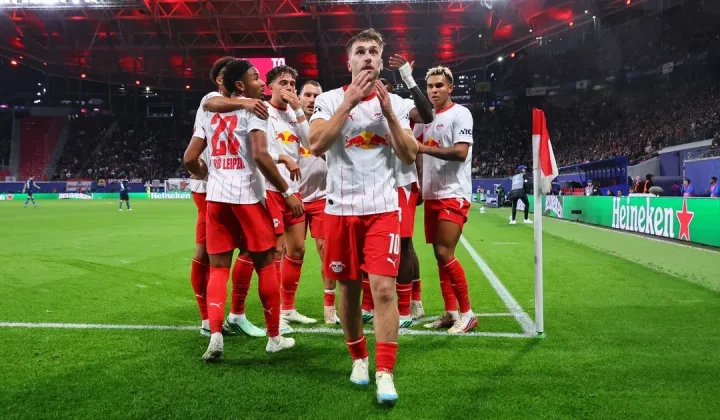
Brajan Gruda Strike Gives RB Leipzig 1-0 Champions League Win Over PSV
Brajan Gruda scored in the 75th minute after Maarten Vandevoordt saved an Ivan Perisic penalty as RB Leipzig defeated PSV Eindhoven 1-0.
Read story
Real Betis vs Porto: Champions League Clash Preview and Prediction
Real Betis host Porto in a crucial Champions League league-phase match. Preview includes team news, possible lineups, and analysis of both sides'…
Read story