
Thyroid Myths Debunked: Experts Warn Against Overdiagnosis and Unnecessary Tests
On World Thyroid Day, specialists address common misconceptions about thyroid health, diet, and the risks of excessive screening.
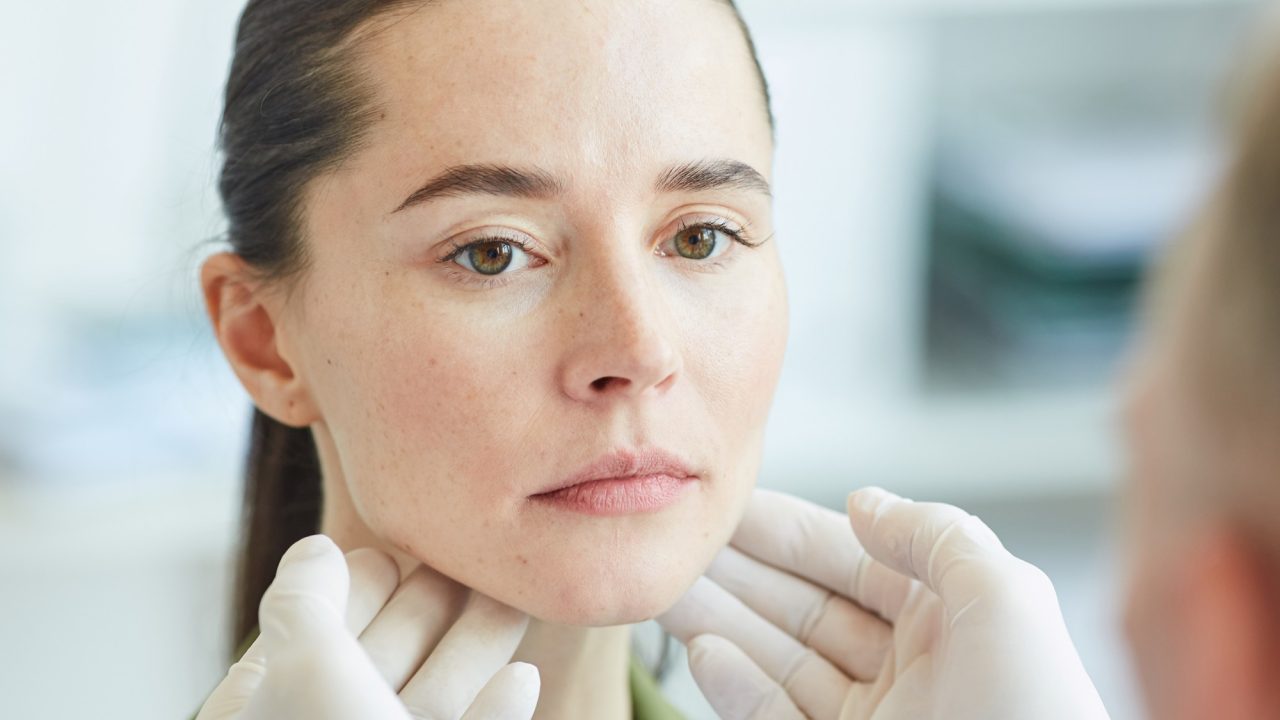
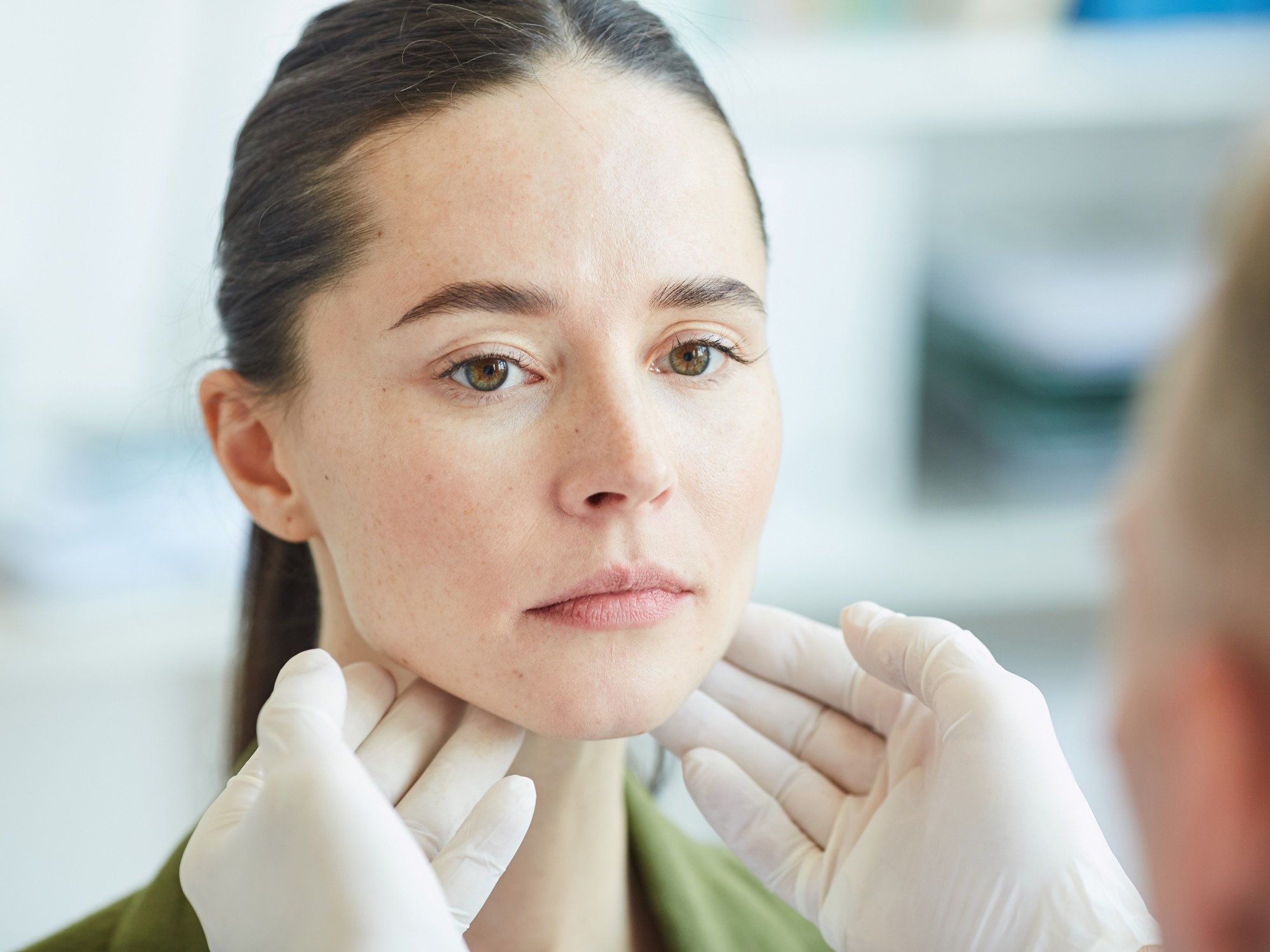
On World Thyroid Day, medical experts are raising concerns about the growing trend of overdiagnosis and unnecessary testing related to thyroid nodules. They are also working to dispel common myths surrounding thyroid health, particularly concerning diet and the gland’s function.
The increasing prevalence of thyroid nodules being discovered incidentally during routine medical examinations or imaging for unrelated issues has become a significant concern for healthcare professionals. While advancements in diagnostic technology have improved our ability to detect abnormalities, this has also led to a surge in follow-up tests and procedures that may not always be beneficial to patients.
Overdiagnosis and Unnecessary Scrutiny
Ana Voogd, head of Head and Neck Surgery at Hospital Universitario Austral, has observed a disturbing increase in thyroid ultrasounds that are requested without clear clinical justification. She explains that this often initiates a chain reaction of further investigations and treatments that do not offer any real advantages to the patient. This situation places a strain on healthcare systems, diverting valuable time and resources from patients with genuinely pressing medical needs to those with conditions that are not clinically significant.
Jorgelina Guerra, head of Endocrinology and a member of the Thyroid Department at the Argentine Society of Endocrinology, highlights that a substantial proportion of thyroid nodules are benign and will never lead to symptoms or complications. However, these benign findings are frequently subjected to excessive study and monitoring, a phenomenon known as overdiagnosis. Overdiagnosis occurs when abnormalities are identified that would have had no impact on an individual’s health if they had remained undetected.
Statistics indicate that only between 5% and 15% of thyroid nodules are malignant. In stark contrast, benign thyroid nodules are extremely common, potentially affecting up to 60% of the general population. Crucially, more than 90% of these benign nodules are clinically silent, meaning they do not cause symptoms despite their high prevalence. Guerra further notes that approximately 70% of nodules remain stable over many years, 18.5% shrink spontaneously, and only 15.4% show evidence of growth.
Dietary Misconceptions
Beyond diagnostic concerns, numerous myths persist regarding diet and thyroid health, particularly in relation to hypothyroidism, a condition where the thyroid gland produces insufficient hormones. Virginia Busnelli, a specialist in nutrition and president of the Argentine Society of Nutrition, frequently encounters these misconceptions in her practice.
The thyroid, a small butterfly-shaped gland located in the neck, plays a critical role in regulating metabolism, body temperature, energy levels, and the proper functioning of the heart, intestines, and nervous system. Hypothyroidism can manifest in various ways, including persistent fatigue, a constant feeling of coldness, hair loss, dry skin, and changes in body weight. Busnelli emphasizes that hypothyroidism is a complex medical condition that requires professional diagnosis, appropriate medical treatment, and ongoing monitoring. This is in contrast to the often-confusing advice circulated on social media, which may recommend strict food prohibitions.
Debunking Dietary Myths
Busnelli identifies three common myths related to diet and thyroid issues:
Myth 1: Specific Diets Can Cure Hypothyroidism
“There is no specific diet capable of curing hypothyroidism or replacing medical treatment,” Busnelli firmly states. She warns that adhering to strict diets can be counterproductive, potentially damaging an individual’s relationship with food. A healthy diet, she clarifies, focuses on the quality of food consumed, but also takes into account the context of eating, the emotional relationship with food, and actively avoids feelings of guilt and restriction. “Eating healthy is not solely about what we consume, but also about how, when, and from what emotional perspective we do it. This kind of healthy eating, which is varied and kind to your body, complements any medical treatment and improves overall quality of life. It is not about following a trendy diet, a magic food, or a list of forbidden items,” she explains.
Myth 2: Fiber Should Be Eliminated for Breakfast
This myth often arises concerning the first meal of the day. Fiber, a component of plant-based foods, is essential for gut health. It is found in fruits, vegetables, legumes, whole grains, seeds, and nuts. Unfortunately, its consumption in Argentina is often below recommended levels. Eliminating fiber from any meal can have a negative impact on overall health. Busnelli clarifies that while the thyroid medication levothyroxine requires an empty stomach for optimal absorption—meaning it should be taken with water on an empty stomach, at least 4 to 6 hours after the last meal—this does not necessitate the complete removal of fiber from the diet. Patients can take their medication, wait for 30 minutes, and then consume a fruit or a small item if they are hungry, rather than having a large, fiber-rich breakfast immediately after.
Myth 3: Certain Foods Inherently Cause Thyroid Problems
Busnelli refutes the notion that specific foods can inherently cause thyroid issues. She reiterates that a balanced and varied diet is the cornerstone of good health, and individual responses to different foods can vary significantly. The primary focus should remain on overall dietary quality and seeking guidance from healthcare professionals, rather than adhering to unsubstantiated food restrictions.
Key Information Summary
- Event: World Thyroid Day
- Primary Concern: Overdiagnosis and unnecessary monitoring of benign thyroid nodules.
- Dietary Myths Addressed: Exclusion of specific diets for hypothyroidism, the role of fiber at breakfast, and foods causing thyroid issues.
- Expert Recommendation: Seek professional medical diagnosis and treatment; prioritize a varied and balanced diet.
The proliferation of misinformation regarding thyroid health underscores the critical need for reliable information and professional medical advice. Experts emphasize that while vigilance for thyroid conditions is important, it must be balanced with a clear understanding of the risks associated with overdiagnosis and unnecessary medical interventions. Patients are strongly encouraged to discuss any concerns with their healthcare providers to ensure appropriate and effective management of their thyroid health.
Source: Clarin Deportes, https://www.clarin.com/buena-vida/tiroides-mitos-riesgo-sobrediagnostico_0_D1jYd7DxAi.html
Source
Clarin Deportes Original publication: 2026-05-25T03:02:43+00:00
Related news

One Injured in Marble Hill Shooting; No Football Disruption Confirmed
A person was hospitalized after a shooting reportedly involving federal agents in New York’s Marble Hill neighborhood. The initial account identifies no…
Read story
Boca vs River Superclásico Confirmed for November 1 at La Bombonera
The Argentine Professional League has set the date and time for the next Boca Juniors vs River Plate Superclásico, scheduled for Sunday,…
Read story
Harry Kane equals Peter Shilton’s England caps record with two goals in Nations League win over Czechia
Harry Kane scored twice on the night he equalled Peter Shilton’s all-time England appearance record, leading the Three Lions to a 3-0…
Read story
Jesse Marsch says Canada “not afraid” as USMNT friendly intensifies rivalry
Canada coach Jesse Marsch has welcomed the pressure of facing the United States, stating his team is “not afraid” as the two…
Read story