UEFA Boycotts FIFA Competitions Including World Cup Over Infantino Privatization Plan
UEFA has announced a historic boycott of all FIFA competitions, including the World Cup, in response to Gianni Infantino’s plan to sell the tournament’s commercial rights to private investors. The decision, taken by the 55 European member federations, comes despite record financial figures from the 2026 World Cup.
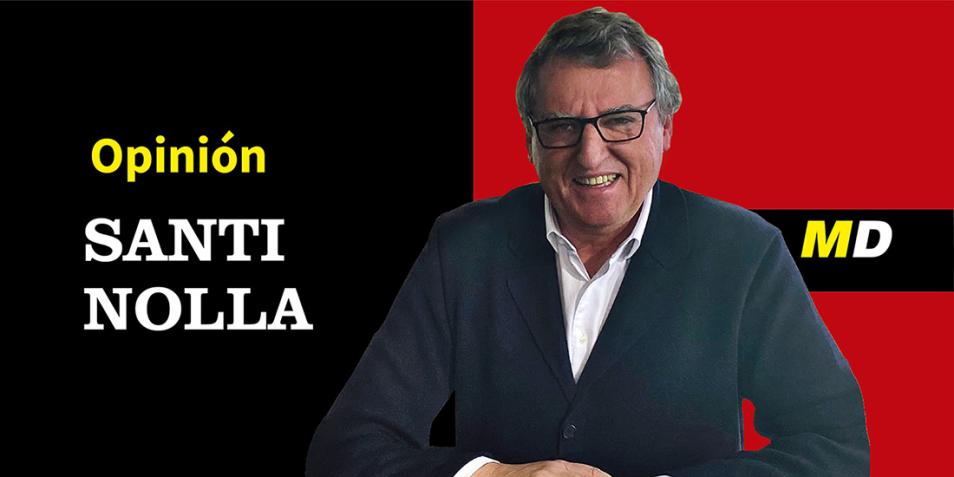
UEFA’s historic boycott
UEFA has announced that its 55 member national federations will boycott all FIFA competitions, including the World Cup, in response to FIFA president Gianni Infantino’s plan to create a subsidiary that would sell the World Cup’s commercial rights to private investors. The decision, described as unprecedented in the history of football governance, was made public on 30 July 2026.
The boycott means that European teams, including reigning world champions Spain, would not participate in any FIFA tournaments for as long as the plan remains in place. This includes the 2030 World Cup, which Spain would otherwise enter as defending champions. The move effectively splits the global football landscape, with UEFA pitting itself directly against FIFA’s leadership.
World Cup finances under scrutiny
The financial backdrop of the boycott is striking. The 2026 World Cup, hosted by the United States, Mexico and Canada, was the most profitable in history. FIFA reported revenue of approximately $15 billion, yielding a net profit of around $4 billion. Ticket sales alone generated roughly $3 billion, with the vast majority of matches played in front of sold-out crowds.
The tournament also featured an expanded format of 48 teams and 104 matches, which helped push revenue $4 billion above the initial budget of $11 billion. The financial success has raised questions about why Infantino is pushing for a privatization model when the existing structure already produces record-breaking returns.
Infantino’s privatization plan and Trump links
According to reports from Mundo Deportivo, Infantino’s plan involves creating a separate commercial entity to sell the World Cup’s media and sponsorship rights to private investors. The proposal is reportedly backed by figures close to former US president Donald Trump. UEFA’s statement argues that the plan would take control of the game’s flagship event away from the football community and hand it to private interests.
FIFA’s 211 member associations would potentially receive around €40 million each in the first cycle (2027–2030) under the new model, with the figure rising in subsequent cycles. However, UEFA’s leadership views this as short-term financial gain that undermines the long-term integrity of the sport. The European body’s statement described the plan as “unnecessary” given the World Cup’s current health.
Impact on the 2030 World Cup and beyond
The boycott has immediate consequences for the 2030 World Cup. If UEFA maintains its stance, the tournament would be without European teams, including the defending champions. Spain, which won the 2026 World Cup, would be unable to defend its title. The boycott also threatens the qualification process for European teams, as all FIFA competitions are affected.
The move represents the most serious rift between UEFA and FIFA since the formation of the European Super League dispute. While the 2026 World Cup was a commercial and sporting success, the underlying governance battle has now reached a breaking point. Football fans across Europe are left to wonder whether the 2030 World Cup will feature the continent’s top teams.
Key facts
| Metric | Value |
|---|---|
| 2026 World Cup revenue | $15 billion |
| 2026 World Cup profit | $4 billion |
| UEFA member federations in boycott | 55 |
| Estimated payment per FIFA member (2027–30 cycle) | €40 million (reported) |
Why this matters for FootballGames10 readers
The UEFA-FIFA conflict directly affects the tournaments, teams and players that FootballGames10 covers. The 2030 World Cup is a major reference point for match previews, predictions and betting odds. A boycott of that scale would reshape the international football calendar, alter transfer market dynamics as players consider their national team futures, and change the competitive landscape for decades. Readers should monitor official statements from both UEFA and FIFA as the situation develops.
Source: Mundo Deportivo – “Infantino, no es necesario” (https://www.mundodeportivo.com/futbol/fc-barcelona/20260731/1004211702/infantino-no-necesario.html)
Source
Mundo Deportivo Futbol Original publication: 2026-07-31T05:00:00+00:00
Related news
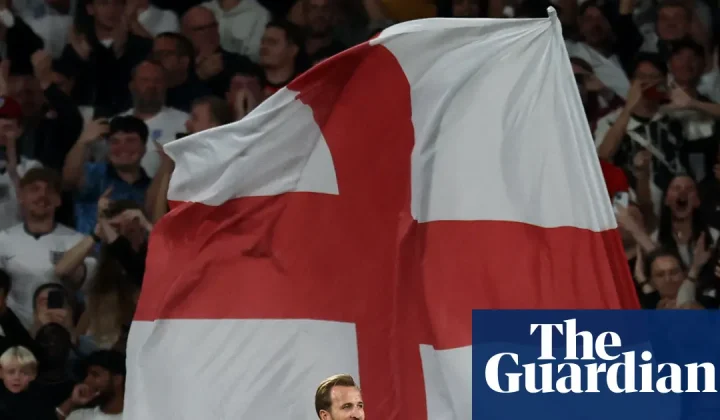
Harry Kane equals Peter Shilton’s England caps record with two goals in Nations League win over Czechia
Harry Kane scored twice on the night he equalled Peter Shilton’s all-time England appearance record, leading the Three Lions to a 3-0…
Read story
Jesse Marsch says Canada “not afraid” as USMNT friendly intensifies rivalry
Canada coach Jesse Marsch has welcomed the pressure of facing the United States, stating his team is “not afraid” as the two…
Read story
Scotland vs Slovenia: Nations League Group B1 Clash at Hampden Park
Scotland and Slovenia meet at Hampden Park in a pivotal Nations League Group B1 encounter, with both sides level on four points…
Read story
Padres Turn to Robbie Ray for NLDS Game 1 Start as Walker Buehler Goes on Paternity List
San Diego Padres manager Craig Stammen named Robbie Ray the starter for Game 1 of the NL Division Series against Milwaukee after…
Read story