
World Cup 2026: How Migration and FIFA Rule Changes Shape a “Diaspora World Cup
The 2026 World Cup features an unprecedented number of players born outside the nations they represent, highlighting the impact of global migration and evolving FIFA eligibility regulations.
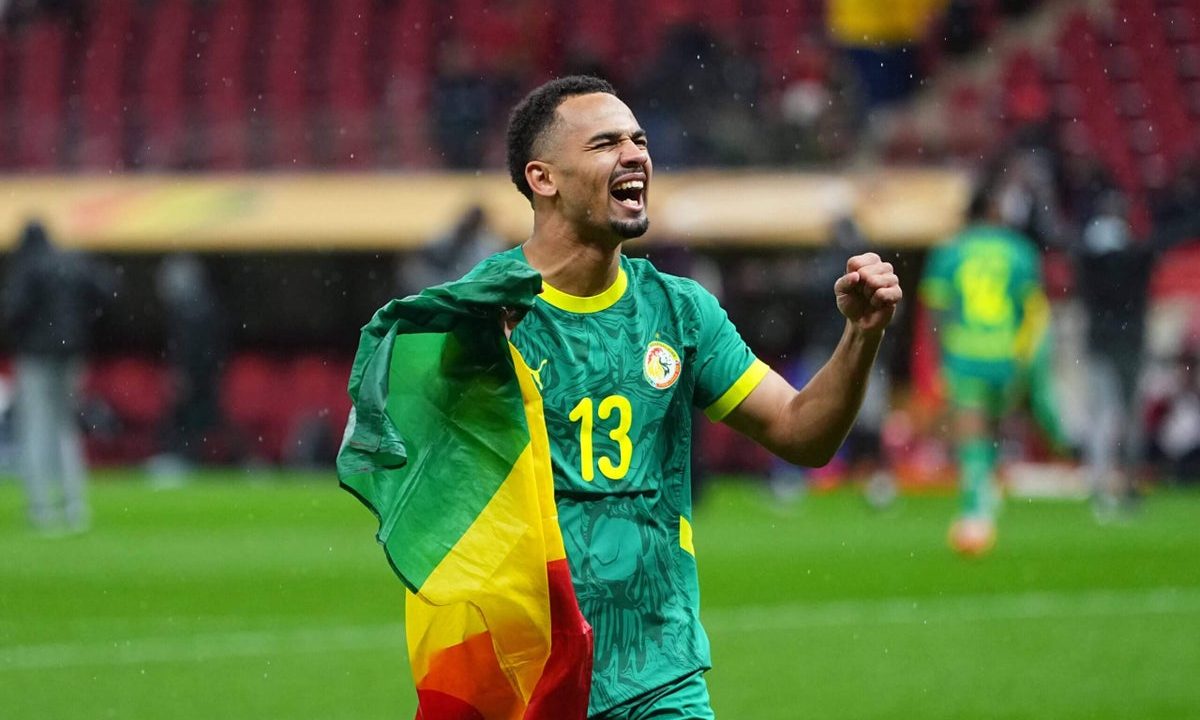
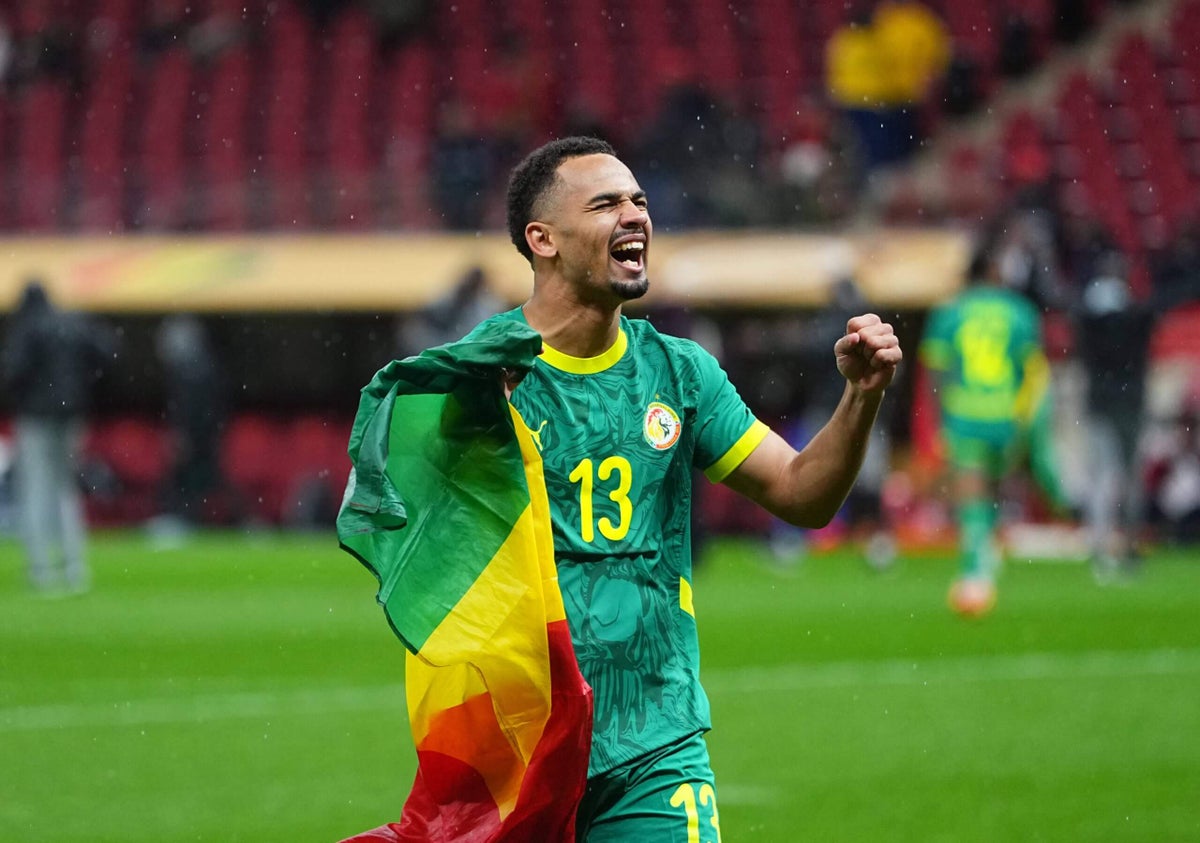
The 2026 FIFA World Cup is proving to be a tournament deeply influenced by global migration and the evolving landscape of player eligibility rules. A significant portion of the 1,248 players participating were born outside the countries they represent, a trend that reflects both historical colonial ties and modern migratory patterns.
This phenomenon has led to the 2026 tournament being dubbed the “diaspora World Cup,” where national allegiances are often shaped by family history, dual citizenship, and strategic FIFA rule amendments.
Changing Eligibility Rules
FIFA’s regulations regarding player eligibility have undergone several significant revisions over the years, directly impacting which players can represent which nations. Historically, representing a country at youth level often permanently tied a player to that nation. However, lobbying efforts, particularly from federations like Algeria’s, led to rule changes.
Key changes include:
* Allowing players who represented one country at youth level to switch to another if they hold dual nationality, have not played a senior competitive match, and make the request before age 21.
* Later amendments permitted players with dual citizenship to switch after age 21, provided they had not played a senior competitive match. Famous examples include Diego Costa switching from Brazil to Spain.
* The most recent rule, implemented in 2020, allows players who have played up to three senior competitive matches before turning 21 to switch after three years have passed since their last appearance, provided they have not participated in a major finals tournament.
* Players seeking to switch nationality without a direct birth, parent, or grandparent connection must now reside in the relevant country for five years (or three years if under 10 at the time of moving).
The Impact of Migration
The influx of foreign-born players is evident across many national teams. France, for instance, has 98 players born within its borders participating in the World Cup, but a remarkable 76 of these represent other nations, more than any other country. Senegal’s squad alone includes 10 players born in France.
Other nations with a high number of foreign-born players representing them include Algeria (13), Haiti (12), and the Ivory Coast and Democratic Republic of Congo. Curacao, a debutant nation, has a squad almost entirely comprised of Dutch-born players, reflecting its connection to the Kingdom of the Netherlands and historical migration routes through Rotterdam.
Some teams showcase extreme multinationalism. During a match between Morocco and Brazil, all 11 Moroccan players on the field were born outside Morocco. Qatar’s squad is a mosaic of nationalities, featuring players from Algeria, Belgium, Brazil, Egypt, France, Ghana, Portugal, Senegal, Somalia, Sudan, and Tunisia.
The expanded 48-team format of the 2026 World Cup has further facilitated the inclusion of players born across the globe, even from countries that did not qualify for the tournament.
Unearthing Talent
The process of scouting dual-national players has become more sophisticated, with unconventional methods sometimes playing a role. Connections made through casual conversations, professional networking platforms like LinkedIn, and even the popular video game Football Manager have reportedly been used to identify potential representatives.
This complex interplay of migration, family heritage, and FIFA’s adaptable eligibility rules ensures that the 2026 World Cup is not just a competition of national teams, but a compelling reflection of a globally interconnected footballing world.
Key facts
| Aspect | Detail |
| :————————– | :———————————————————————– |
| Foreign-born players | 292 out of 1,248 players at World Cup 2026 |
| French-born players | 98 born in France; 76 represent other nations |
| Rule change impact | Allows for more player movement based on dual nationality and residency |
| Notable examples of rule use | Diego Costa (Brazil to Spain), Declan Rice (Ireland to England) |
This development matters to FootballGames10 readers as it highlights the evolving nature of international football and how global trends in migration and sports governance directly influence the composition and narratives surrounding the World Cup.
Source: The Athletic Football – https://www.nytimes.com/athletic/7361514/2026/06/16/world-cup-fifa-eligibility-france-senegal-diaspora/
Datos clave
| Punto | Detalle |
|---|---|
| Fuente | The Athletic Football |
| Fecha | 2026-06-16T04:12:07+00:00 |
| Tema | How migration, colonial ties and tweaks to FIFA eligibility rules have made this the diaspora World Cup |
Source
The Athletic Football Original publication: 2026-06-16T04:12:07+00:00
Related news
Celtic’s Europa League struggles deepen as Benfica expose familiar flaws
A 4-1 defeat in Lisbon leaves Celtic with two losses from two Europa League group games. Martin O’Neill sees positives in the…
Read story
Borussia Dortmund Fall to Bodø/Glimt in Champions League Shock
Fredrik Sjøvold’s second-half strike gave the Norwegian side a 1-0 win over Niko Kovač’s Dortmund, who struggled to break down a disciplined…
Read story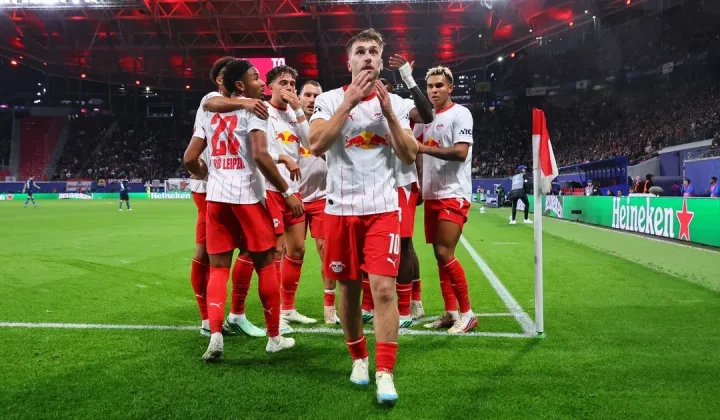
Brajan Gruda Strike Gives RB Leipzig 1-0 Champions League Win Over PSV
Brajan Gruda scored in the 75th minute after Maarten Vandevoordt saved an Ivan Perisic penalty as RB Leipzig defeated PSV Eindhoven 1-0.
Read story
Real Betis vs Porto: Champions League Clash Preview and Prediction
Real Betis host Porto in a crucial Champions League league-phase match. Preview includes team news, possible lineups, and analysis of both sides'…
Read story