
Heated Exchange in Argentine Congress: Peronist Deputy Diagnoses Milei as “Borderline,” Sparks Libertarian Backlash
A debate on cold zone subsidies in the Argentine Chamber of Deputies escalated dramatically when Jorge Neri Araujo Hernández, a deputy from Unión por la Patria, publicly diagnosed President Javier Milei as "borderline," drawing a furious response from Santiago Santurio of La Libertad Avanza.
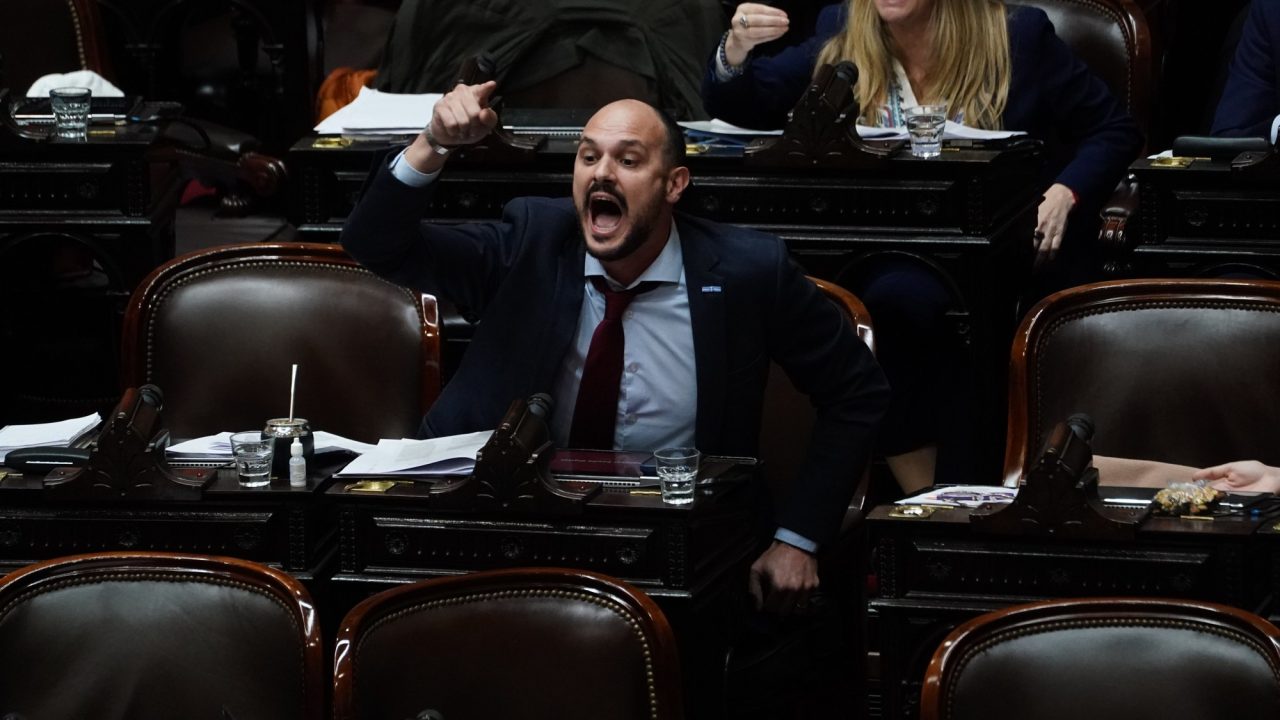
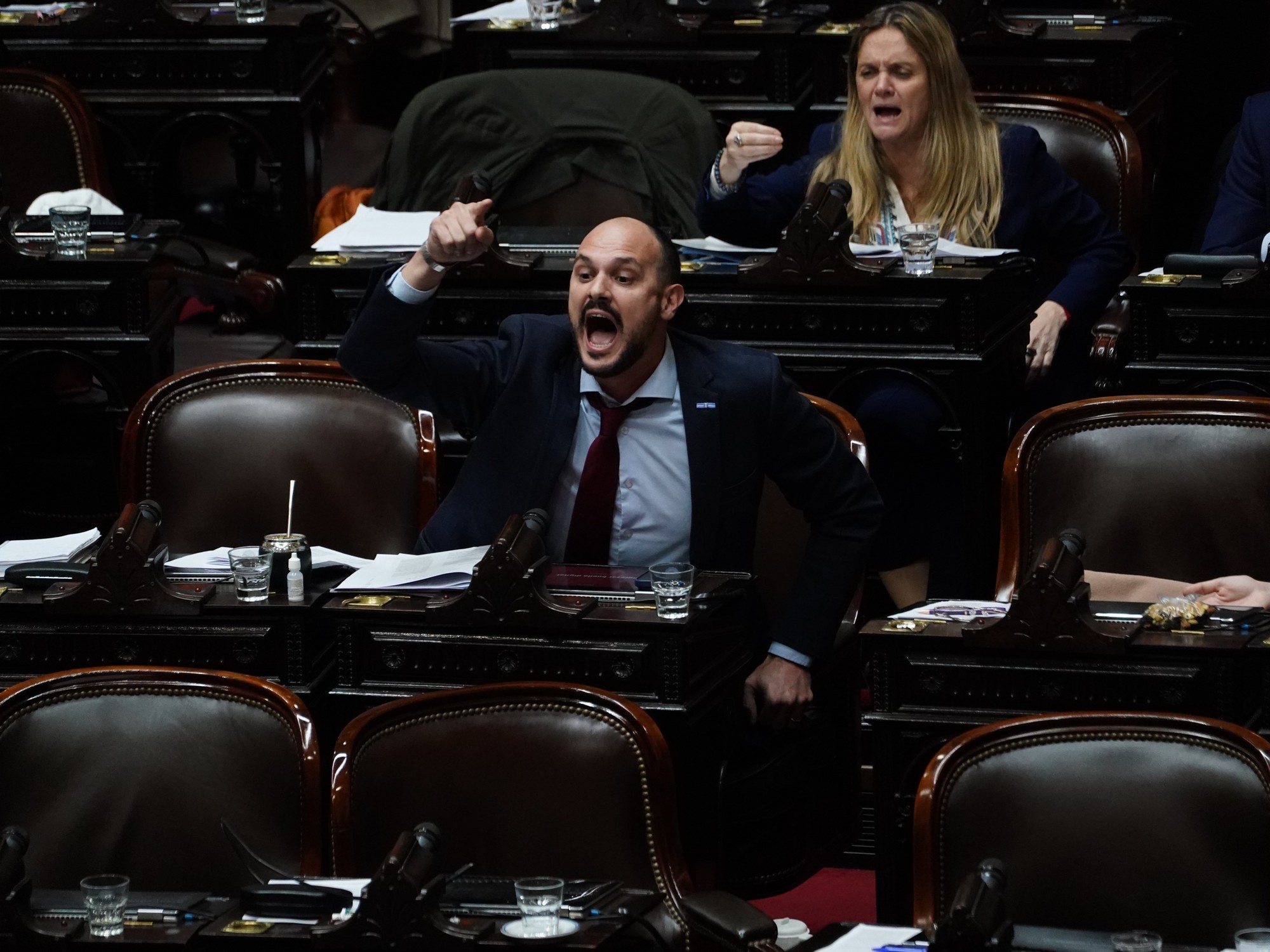
The Argentine Chamber of Deputies recently witnessed a contentious and highly charged debate that quickly overshadowed its initial focus on proposed amendments to the "cold zones law," which pertains to gas consumption subsidies. The national legislator Jorge Neri Araujo Hernández, representing Unión por la Patria and the province of Tierra del Fuego, delivered a speech that culminated in a public diagnosis of President Javier Milei's mental health, labeling him as "borderline." This statement ignited a furious reaction from Santiago Santurio, a deputy from La Libertad Avanza, and a subsequent intervention by Germán Martínez, the head of the Unión por la Patria bloc, further escalating tensions within the legislative chamber.
Araujo Hernández's impassioned speech, delivered in his capacity as a forensic psychiatrist, extended for nine minutes, exceeding the parliamentary time limit of five minutes. During his address, the deputy from Tierra del Fuego sharply criticized Milei's government for its policies concerning his province, accusing it of "stealing natural resources" and a port from the region. It was towards the end of his address that he made the controversial diagnosis regarding the president: "As a forensic psychiatrist that I am, I ask that you take care of the President, because he is a borderline, who today is in reality and tomorrow is in unreality. Look what happens if he remains in unreality talking to Conan or the forces of heaven…" These remarks provoked murmurs and shouts in the chamber, setting the stage for the ensuing confrontation.
Libertarian Reaction and Santurio's Accusations
Araujo Hernández's provocative statement was met with an immediate and vehement response from Santiago Santurio, a deputy from La Libertad Avanza. Santurio, who is reportedly close to presidential advisor Santiago Caputo, initially attempted to interrupt the session to respond but was not permitted to do so. He had to wait for his turn to launch a fierce counter-attack against Araujo Hernández, dismissing his words as "outrageous" and an irresponsible "stunt." "It's outrageous to talk about mental health with such lightness, thinking it's funny and a valid trick. Professional? Nothing, he makes a diagnosis in a session throwing around any absurdity," Santurio indignantly stated.
Santurio's response did not stop there. The libertarian deputy intensified the discussion, returning the accusations and targeting the opposition. "You have to be psychiatric to see a person who got rich with hotels in the south and who worked in public service all his life. That is psychiatric," he retorted, implicitly hinting at corruption. He continued his attack by accusing the opposition of having "impoverished children" and failing to create jobs, only to then "come here and talk big." Santurio concluded his intervention with a strong declaration: "You are the prophets of catastrophe and you are the horsemen of the apocalypse, brother! Take responsibility for once for having screwed up the country."
Martínez's Intervention and the Role of Santiago Caputo
The already heated session gained another layer of tension with the intervention of Germán Martínez, the head of the Unión por la Patria bloc. Martínez, in a brief but forceful address, not only defended his fellow bloc member but also delved into the internal political dynamics between Santiago Caputo and Karina Milei, a topic that has generated controversy in recent weeks.
Martínez directed his words towards Santurio, indirectly accusing him of defending interests linked to presidential advisors in Tierra del Fuego. "Mr. President, we were talking about the businesses in Tierra del Fuego, and the deputy of a presidential advisor who has vested interests in the port of Tierra del Fuego jumped in," Martínez asserted. Then, looking at Santurio, he continued: "Dear sir, send my regards to the presidential advisor. Tell him to sign the administrative acts, because when you were walking around like lovers with the other band of the government here, nothing was said, and the only ones who criticized your boss, Santiago Caputo, a white-collar thief, only we criticized him." The head of the UxP bloc concluded his intervention with a sharp "Thug!", thereby closing another verbal clash in a session that had already begun with a scandal over the blocking of a request for information from Manuel Adorni.
Summary of Key Events
- Initial Debate: Amendments to the "cold zones law" concerning gas subsidies.
- Controversial Diagnosis: Jorge Neri Araujo Hernández (Unión por la Patria) publicly labeled President Javier Milei as "borderline" and criticized government policies towards Tierra del Fuego.
- Libertarian Response: Santiago Santurio (La Libertad Avanza) condemned Araujo Hernández's "lightness" in making a diagnosis and accused the opposition of past national impoverishment, calling them "prophets of catastrophe."
- Further Escalation: Germán Martínez (Unión por la Patria) defended his bloc, alleging vested interests of Santiago Caputo in Tierra del Fuego and branding him a "white-collar thief," further intensifying the political infighting.
Implications for the Political Landscape
This incident underscores the deeply polarized and often acrimonious nature of Argentine politics. The use of medical diagnoses as a political weapon, regardless of its scientific validity in a legislative context, represents a new low in parliamentary debate. Such exchanges not only distract from substantive policy discussions but also erode public trust in political institutions. The personal attacks and accusations of corruption, particularly those involving high-ranking presidential advisors like Santiago Caputo, suggest an ongoing power struggle within the government and between legislative blocs. This heightened tension could complicate future legislative processes and make consensus-building even more challenging.
What Remains Unclear
While the immediate reactions from the involved parties are clear, the long-term political ramifications of this specific exchange are yet to be seen. It is unclear whether there will be any formal consequences for Deputy Araujo Hernández's public diagnosis or for the personal attacks made by other deputies. The extent to which these accusations about Santiago Caputo's alleged "vested interests" in Tierra del Fuego will be investigated or proven also remains an open question. The public's perception of these events and their potential impact on upcoming elections or public opinion polls have yet to be fully assessed.
For our audience at FootballGames10, while this incident may not directly concern football, the broader political climate in Argentina significantly impacts the country's social and economic stability. Such intense political debates and the resulting polarization can influence everything from public spending on sports infrastructure to the general mood of the populace, which in turn affects fan engagement and the overall environment surrounding football events. Understanding these political dynamics is crucial as they indirectly shape the context in which Argentine football operates and thrives.
Source: Clarin Deportes (https://www.clarin.com/politica/diputado-peronista-diagnostico-javier-milei-borderline-genero-reaccion-libertaria-psiquiatricos-ustedes_0_784tigEkLQ.html)
Source
Clarin Deportes Original publication: 2026-05-20T23:03:18+00:00
Related news

Thunder’s Bench Erupts for 68 Points in Playoff Victory
A remarkable performance from the Oklahoma City Thunder's reserves, with four players scoring in double figures, secured a crucial Game 3 victory…
Read story
Milan Players Facing Potential Farewells After Cagliari Clash
AC Milan's final home game of the 2026-27 season against Cagliari could mark the end of the road for several key players…
Read story
Torino vs Juventus: Probable Lineups and Team News Ahead of Derby della Mole
Get the latest on potential lineups and team news for the upcoming Derby della Mole between Torino and Juventus, including injury updates…
Read story
FPL Team of the Week: Bowen Captains for Final Day Drama
As the Premier League season concludes, BBC Sport's FPL expert Thomas Woods unveils a Free Hit squad built for the final day,…
Read story