
World’s First Autonomous Railway Taxi Debuts in Italy
The innovative Railevo system, an autonomous railway taxi, has launched, promising to revolutionize regional transport with on-demand travel and 24/7 operation.
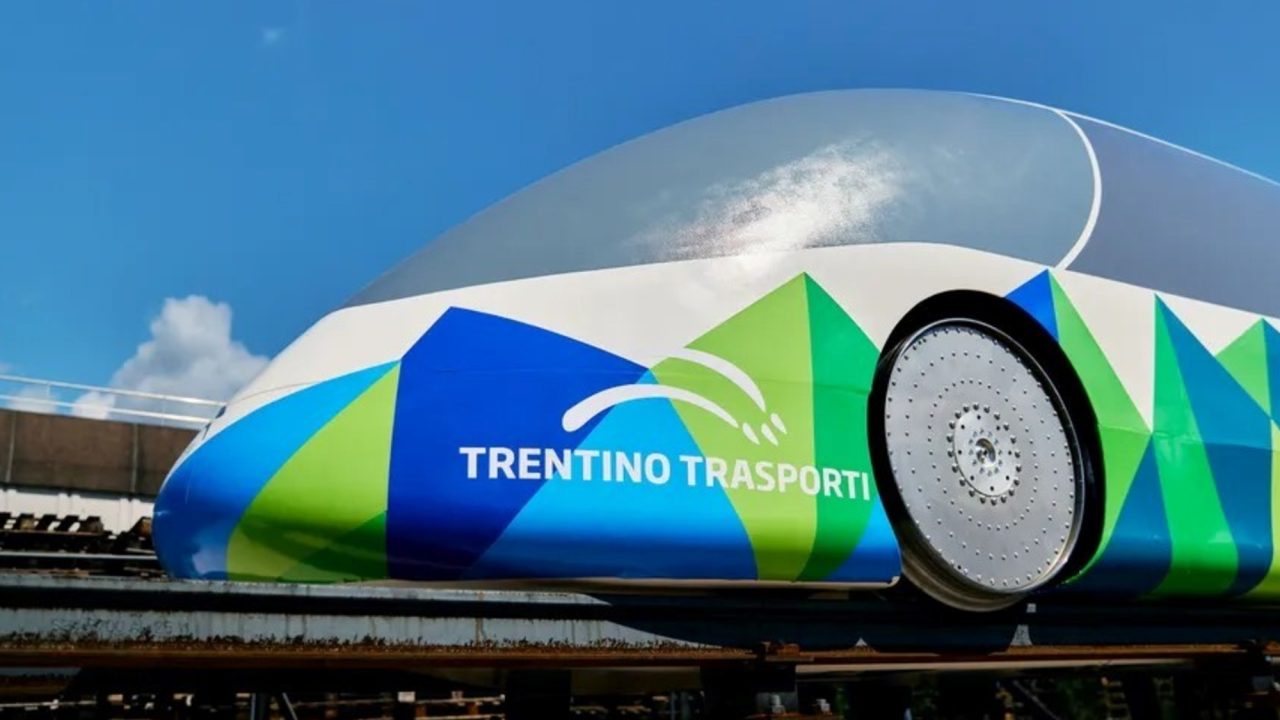
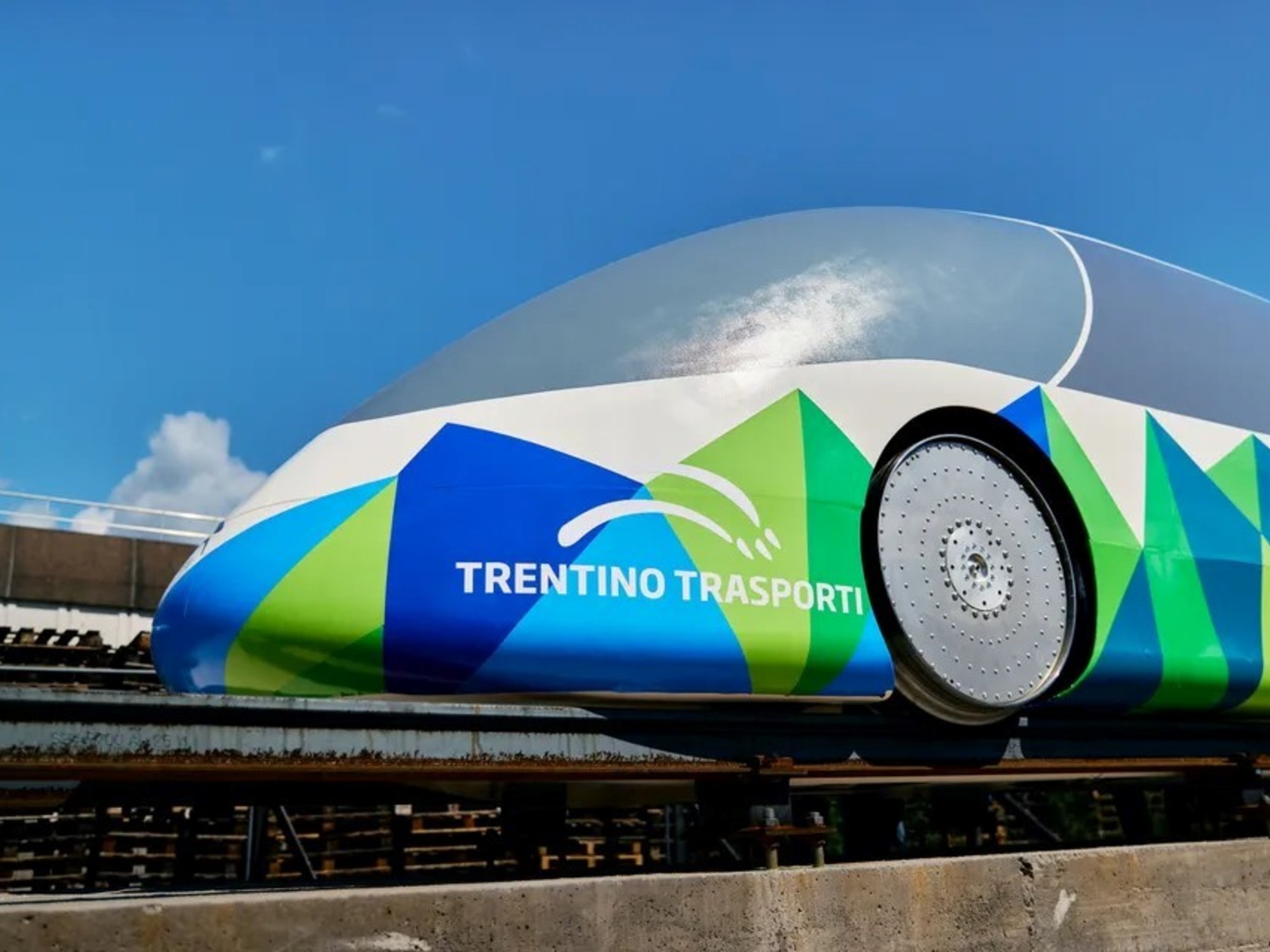
In a significant stride toward redefining regional public transport, the world has witnessed the debut of its first autonomous railway taxi. This innovative system, named Railevo, promises continuous 24-hour operation, functioning on an on-demand service logic that combines the efficiency of traditional trains with the flexibility of taxis.
Developed in the Trentino region of Italy, the project positions itself as a disruptive alternative to conventional railway models. It aims to offer a more personalized, sustainable, and adaptable mobility solution, particularly in areas where large-format trains prove inefficient or economically unviable.
Transforming Regional Mobility
Railevo utilizes smaller, automatic vehicles that operate on existing railway infrastructure. The core idea is to leverage already available rail lines, especially in less densely populated areas, to provide a flexible and constant transport service. Unlike traditional trains, which adhere to rigid schedules, this system operates more like an on-call or on-demand service, optimizing both time and resources.
This development is not intended to completely replace mass railway systems but rather to complement them and address specific needs where public mobility requires efficiency without the constant need to transport large volumes of passengers. Automation is a key component ensuring the extended frequency and near-permanent availability of the service.
Why Railevo Matters
The true potential of this railway taxi lies not solely in its technological novelty but in its capacity to re-evaluate the use of railway networks that are currently underutilized. Many regions possess costly railway infrastructure that is limited by low frequency or lack of profitability. Railevo offers a more adaptable alternative, with the potential to reduce operational costs and expand access to transport.
Furthermore, this system aligns with global trends in smart mobility, shared transport, automation, sustainability, and resource optimization. Its future success will depend on crucial factors such as safety, appropriate regulation, public acceptance, and long-term economic viability. The transition from an experiment to widespread adoption will be the true test of this innovative proposal.
Key Facts About Railevo
- System Name: Railevo
- Development Site: Trentino, Italy
- Service Type: On-demand, 24/7 operation
- Technology: Autonomous vehicles operating on existing railway tracks
- Objective: Enhance regional mobility in specific areas, especially underutilized lines
Potential Impact on Football Logistics
This technological advancement holds significant relevance for the readers of FootballGames10, as it illustrates how innovation in transport systems can impact logistics and accessibility to events, stadiums, and cities. The efficiency and flexibility of this type of autonomous transport could, in the future, facilitate the movement of fans and teams, optimizing the overall experience related to football. For instance, fans traveling to remote stadiums or specific training facilities could benefit from a reliable, on-demand service that bypasses the limitations of traditional public transport schedules. This could lead to better attendance figures, reduced travel stress for supporters, and more efficient movement for players and staff.
What Remains Unclear
While the Railevo system presents a promising vision for regional transport, several aspects remain to be fully clarified. The exact timeline for broader implementation beyond the initial testing phase has not been detailed. Furthermore, the specifics of the regulatory frameworks that will govern autonomous railway vehicles, particularly across different regions or national borders, are yet to be established. Public acceptance, especially regarding safety concerns with driverless transport, will also be a critical factor that needs to be addressed through transparent testing and robust safety protocols. The economic model for scaling such a system and ensuring its profitability in diverse geographical contexts also needs further elucidation.
Source: Clarin Deportes – https://www.clarin.com/internacional/debuta-primer-taxi-ferroviario-mundo-funciona-sistema-autonomo-promete-viajar-24-horas_0_aNDEhBkxUU.html
Source
Clarin Deportes Original publication: 2026-05-24T00:00:28+00:00
Related news

One Injured in Marble Hill Shooting; No Football Disruption Confirmed
A person was hospitalized after a shooting reportedly involving federal agents in New York’s Marble Hill neighborhood. The initial account identifies no…
Read story
Boca vs River Superclásico Confirmed for November 1 at La Bombonera
The Argentine Professional League has set the date and time for the next Boca Juniors vs River Plate Superclásico, scheduled for Sunday,…
Read story
Harry Kane equals Peter Shilton’s England caps record with two goals in Nations League win over Czechia
Harry Kane scored twice on the night he equalled Peter Shilton’s all-time England appearance record, leading the Three Lions to a 3-0…
Read story
Jesse Marsch says Canada “not afraid” as USMNT friendly intensifies rivalry
Canada coach Jesse Marsch has welcomed the pressure of facing the United States, stating his team is “not afraid” as the two…
Read story