
Study Reveals Racial Bias in Commentary on Black and White Female Footballers
A new study analyzing commentary from the 2019 FIFA Women's World Cup found significant racial biases in how Black and white female footballers are praised, with Black players often lauded for physical traits and white players for intelligence and skill.
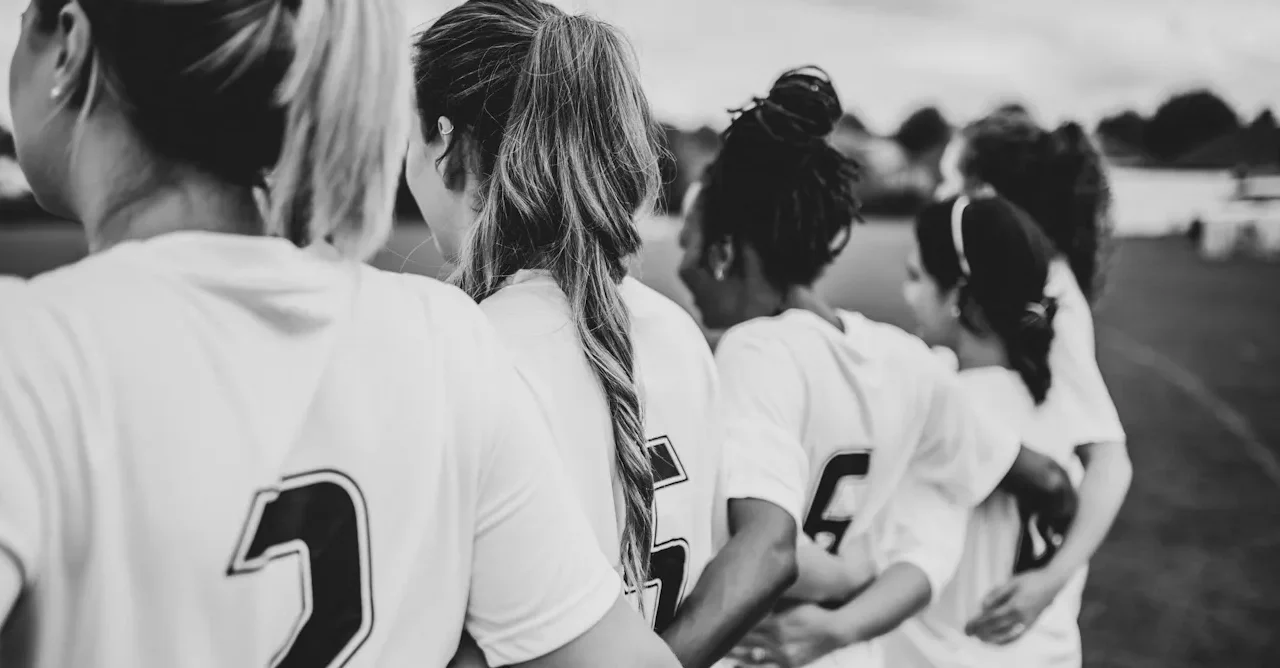
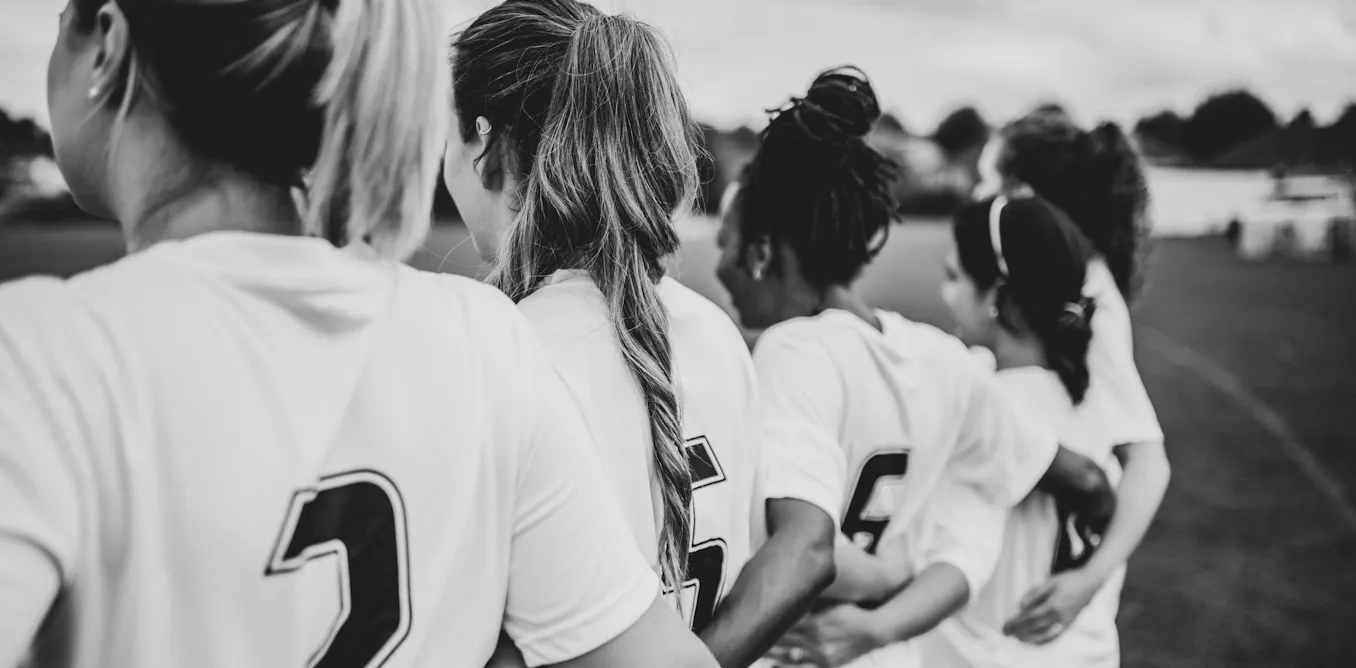
A recent study has shed light on a concerning racial bias in how female footballers are discussed by commentators during major tournaments. Research analyzing 2,905 comments of praise during 80 hours of coverage from the 2019 FIFA Women’s World Cup revealed a distinct pattern: Black female players were predominantly praised for their physical prowess and natural athleticism, while white female players were more frequently lauded for their intelligence and technical proficiency.
The findings, based on an examination of all 52 televised matches, indicate that these stereotypes are deeply embedded in sports commentary, potentially reinforcing harmful perceptions and impacting players’ experiences both on and off the field.
The Nature of Praise
The study meticulously categorized comments, finding that white players received praise for “learned skills” (49.4% of comments), such as having a “lovely technique,” followed by physical (20.3%), character (16.2%), cognitive (10.8%), and natural (3.3%) abilities. In stark contrast, Black players received almost double the amount of praise for their physical prowess (39.5%) and natural abilities (5.8%). Their praise for learned skills was noticeably lower at 36.8%, along with reduced recognition for character (11.9%) and cognitive attributes (6.0%).
These disparities were particularly evident in national teams from white-majority countries that featured more than two Black players in their starting lineup. For example, England’s two non-white players, making up 18.2% of the team, garnered 50% of all the team’s praise for natural attributes. Similarly, France’s Black players, constituting 43% of the team, received 90% and 85% of the team’s total praise for natural and physical attributes, respectively. White French players, also 43% of the squad, received 68% of the team’s total praise for intelligence.
Emotional Stereotypes and Misogynoir
Beyond the type of praise, the study also highlighted a tendency for Black female players to be described as angry and emotionally unstable during matches. Nigeria’s forward Desire Oparanozie was characterized as “playing with a bit of anger,” while England’s Nikita Parris was noted for an inability to maintain composure. Conversely, their white teammates were typically portrayed as calm and composed.
This phenomenon is tied to “misogynoir,” a specific form of discrimination combining misogyny directed at Black women’s gender and anti-Black racism. This unique intersection often results in Black sportswomen being stereotyped as unfeminine, masculine, lacking intelligence, and overly aggressive. These stereotypes have real-world consequences, with some players, like former England international Anita Asante, admitting to self-regulating their behavior to avoid being perceived negatively.
Impact on Players and the Game
The implications of such biased commentary extend beyond mere words. These stereotypes can affect career opportunities and contribute to psychological and physiological harm among athletes. The study suggests that unless broadcasters implement corrective measures, such as evaluative approaches like those used in this research, commentators may inadvertently continue to reinforce racial stereotypes.
The BBC, in response to similar concerns, has developed an industry-wide course on inclusive commentary and language, attended by other major broadcasters. This initiative aims to provide detailed guidance on terminology and phrasing, reflecting a commitment to evolving practices and ensuring coverage is inclusive and representative of the sports and audiences served.
Datos clave
| Aspecto | Black Players | White Players |
|---|---|---|
| Praise for Physical Prowess | 5% | 3% |
| Praise for Learned Skills | 8% | 4% |
| Praise for Cognitive Attributes | 0% | 8% |
This study is crucial for FootballGames10 readers as it highlights systemic issues within football commentary that affect the perception and treatment of players, particularly in women’s football. Understanding these biases is vital for fostering a more equitable and fair sporting environment, aligning with the site’s commitment to comprehensive and critical coverage of the sport.
Fuente: theconversation.com – https://theconversation.com/black-female-footballers-are-praised-for-their-strength-white-players-for-their-intelligence-what-our-study-shows-276993
Source
theconversation.com Original publication: 2026-03-11T18:56:14+00:00
Related news
Harry Kane equals Peter Shilton’s England caps record with two goals in Nations League win over Czechia
Harry Kane scored twice on the night he equalled Peter Shilton’s all-time England appearance record, leading the Three Lions to a 3-0…
Read story
Jesse Marsch says Canada “not afraid” as USMNT friendly intensifies rivalry
Canada coach Jesse Marsch has welcomed the pressure of facing the United States, stating his team is “not afraid” as the two…
Read story
Scotland vs Slovenia: Nations League Group B1 Clash at Hampden Park
Scotland and Slovenia meet at Hampden Park in a pivotal Nations League Group B1 encounter, with both sides level on four points…
Read story
Padres Turn to Robbie Ray for NLDS Game 1 Start as Walker Buehler Goes on Paternity List
San Diego Padres manager Craig Stammen named Robbie Ray the starter for Game 1 of the NL Division Series against Milwaukee after…
Read story