Algorithms Amplified Racist Abuse of England Players at World Cup, Report Finds
New research from Hope Not Hate reveals that X's recommender algorithm amplified over 5,500 racist posts targeting England footballers during the 2026 World Cup, pushing toxic content into millions of feeds.
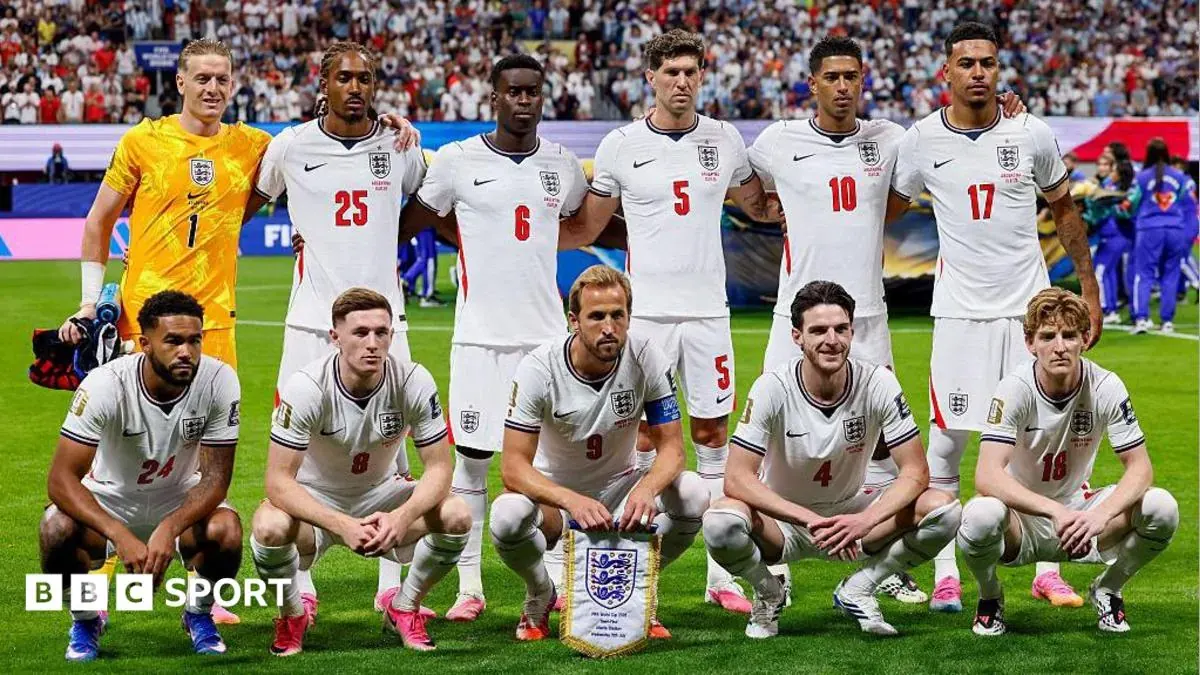
A new report from the activist group Hope Not Hate has found that racist abuse aimed at England footballers during the 2026 World Cup was systematically amplified by X’s recommender algorithms, which are designed to maximise engagement and advertising revenue.
The organisation analysed more than 300,000 posts on the platform X, formerly Twitter, during the tournament. Researchers identified over 5,500 explicitly racist posts targeting England players. Hope Not Hate argues that X’s algorithm does not merely host this abuse but actively pushes it into the feeds of millions of users, because posts that provoke anger and outrage generate more interaction, keeping people on the platform longer.
“X is actually benefiting from this hate,” Patrik Hermansson, senior researcher at Hope Not Hate, told BBC Sport. “It drives engagement on its platform and it effectively uses its algorithm to elevate and show it to more of its users. They show up in the recommendation feed – they are not obscure corners of this website, they are front and centre. That’s a choice it doesn’t have to make and yet it does.”
X has been approached for comment by the BBC.
Key facts
| Metric | Detail |
|---|---|
| Total posts analysed | More than 300,000 |
| Explicitly racist posts | More than 5,500 |
| Most targeted player | Jude Bellingham |
| Players with highest abuse ratio | Bukayo Saka and Kobbie Mainoo |
| Distinct anti-Muslim abuse targeted | Djed Spence |
The players targeted
Jude Bellingham was the player most frequently targeted by racist abuse overall. Bukayo Saka and Kobbie Mainoo experienced the highest proportion of racist posts relative to the total number of posts mentioning them. Djed Spence, who converted to Islam in recent years, was also subjected to a distinct stream of anti-Muslim abuse, according to the researchers.
The abuse was not limited to isolated posts. Researchers examined how hateful content gathered in replies to high-profile posts on the platform, creating cascades of toxicity that reached wider audiences.
Response from the FA and Ofcom
In its response to the report, an FA spokesperson said “all players have the right to play without being exposed to hateful, discriminatory and distressing content online.” The FA added that it wants “service providers to take all of the necessary steps to create a safer life online for everyone.”
Hope Not Hate has called on Ofcom, the UK’s media regulator, to use its existing powers under the Online Safety Act more effectively. The group wants Ofcom to outlaw algorithms that amplify abuse and to designate major sporting events as “high risk.” This designation would require platforms to deploy strict safety-by-design rules, remove abuse proactively, and downrank rapidly escalating viral hate through algorithmic adjustments.
In a statement to BBC Sport, Ofcom said: “We’re pushing tech firms hard to make their services safer, and we’ll be holding them to account if they don’t.” Ofcom also cited a new partnership with police and footballing bodies established before the World Cup to tackle online abuse.
How the research was conducted
Hope Not Hate collected posts mentioning England players by name or X handle, as well as replies to player and team accounts. The researchers also collected posts mentioning Team England and other related keywords, filtering out irrelevant content.
The team then used artificial intelligence to sort the data, based on human-labelled examples. Different forms of racism were identified, along with “far-right narratives” and hateful slogans. Samples were checked manually for accuracy. Posts were counted as abuse on a yes-or-no basis, rather than graded by severity.
What can be done
Hermansson says that current measures to tackle online abuse focus too heavily on what happens after a racist post has already been seen. Players can block users, report messages, and platforms can suspend accounts, but these actions do not address the way abusive content is amplified in the first place.
“X doesn’t take racism seriously enough,” he added. “We’ve seen it for a number of years now. There is no change or improvement.”
Hope Not Hate suggests one practical option would be to downrank posts that attract large volumes of abuse, meaning they are recommended to fewer people. The group argues that a relatively small number of accounts and originating tweets generate the bulk of the problem. “I think it’s entirely feasible to stop this, or a vast amount of it,” Hermansson said.
Why this matters for football fans
This report directly affects how England players and football fans experience major tournaments. The study shows that the abuse is not a marginal issue but is actively promoted by platform algorithms. For fans who follow England on social media, the findings raise questions about the digital environment surrounding the national team and the responsibilities of technology companies. The call for Ofcom to designate major sporting events as “high risk” could lead to meaningful changes in how platforms handle abuse during future tournaments.
Source: BBC Sport Football – https://www.bbc.co.uk/sport/football/articles/c2k7en0lxkjo
Source
BBC Sport Football Original publication: 2026-08-19T23:02:14+00:00
Related news
Harry Kane equals Peter Shilton’s England caps record with two goals in Nations League win over Czechia
Harry Kane scored twice on the night he equalled Peter Shilton’s all-time England appearance record, leading the Three Lions to a 3-0…
Read story
Jesse Marsch says Canada “not afraid” as USMNT friendly intensifies rivalry
Canada coach Jesse Marsch has welcomed the pressure of facing the United States, stating his team is “not afraid” as the two…
Read story
Scotland vs Slovenia: Nations League Group B1 Clash at Hampden Park
Scotland and Slovenia meet at Hampden Park in a pivotal Nations League Group B1 encounter, with both sides level on four points…
Read story
Padres Turn to Robbie Ray for NLDS Game 1 Start as Walker Buehler Goes on Paternity List
San Diego Padres manager Craig Stammen named Robbie Ray the starter for Game 1 of the NL Division Series against Milwaukee after…
Read story