
Black American Perspectives on Argentina and the World Cup
Many Black Americans rooted against Argentina in the recent World Cup final, citing concerns over racism, political alignment, and Lionel Messi's silence on these issues, according to an analysis in The Guardian.
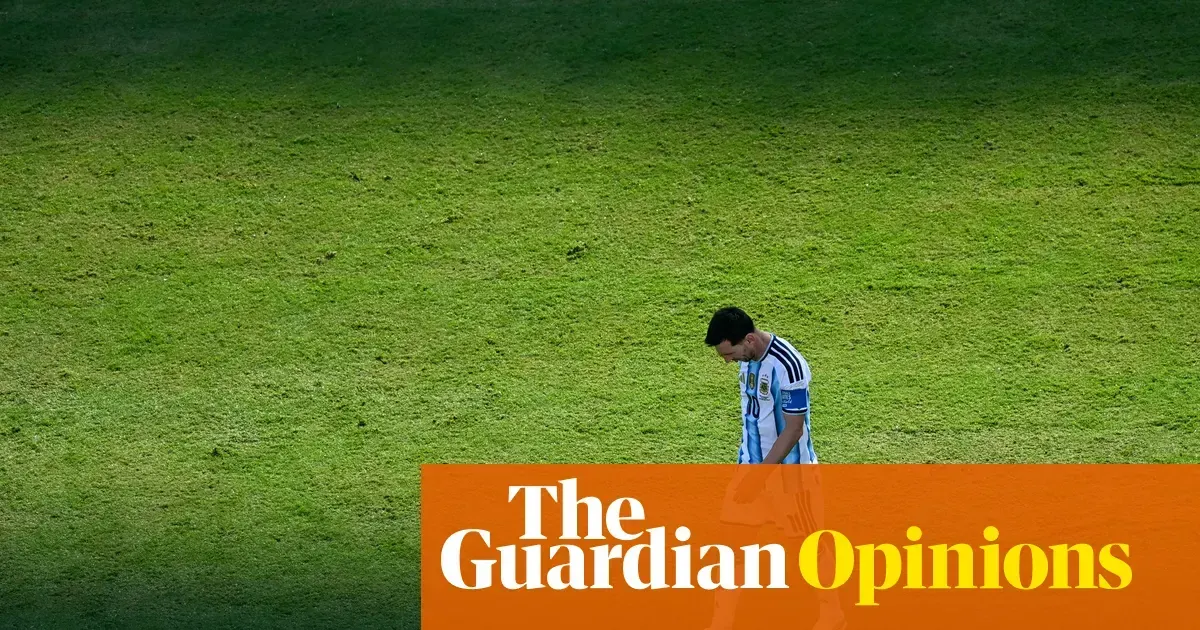
A recent analysis by Etan Thomas in The Guardian highlights a significant sentiment among many Black Americans during the recent World Cup final: a decision to root against Argentina. This stance was not primarily about supporting Spain, but rather a protest against what was perceived as racism, problematic political associations, and the silence of key figures like Lionel Messi regarding these concerns.
The World Cup final, which pitted Spain against Argentina, was viewed by some not just as a sporting contest between two footballing giants, but as a clash of values. The article suggests that audiences were observing not only the score but also the conduct, statements, and silences of those involved, particularly concerning social and political issues.
Context of Opposition to Argentina
The opposition to Argentina stemmed from several incidents and associations. These included repeated instances of racist behavior linked to Argentina’s fanbase, such as videos circulating of fans using racial epithets. A particularly noted event was a racist chant targeting France’s Black players by members of Argentina’s national team following a Copa América victory. Further concerns arose from an American streamer, IShowSpeed, allegedly being verbally assaulted by Argentinian fans, and the existence of a hamburger business in Llavallol, Argentina, reportedly using a derogatory racial slur in its official name.
Politically, Argentina’s president, Javier Milei, and his alignment with figures like Donald Trump, alongside his support for Israel amidst the Israel-Palestine conflict, also contributed to the negative sentiment among some Black Americans. These broader political and social contexts overshadowed Argentina’s on-field achievements for a segment of the audience.
The Silence of Lionel Messi
A central point of discussion was Lionel Messi’s perceived silence on these issues. Despite his widely acknowledged footballing brilliance, the article questions his lack of public condemnation regarding the racist incidents involving sections of Argentina’s fanbase. Messi did not publicly address the racist chant after Copa América, nor did he speak out against videos of supporters racially abusing Black individuals online. This lack of public statement, even a broad or indirect one, was seen by critics as a betrayal, echoing Martin Luther King Jr.’s sentiment that “A time comes when silence is betrayal.”
This contrasts with the actions of athletes like Muhammad Ali and Bill Russell, who leveraged their platforms for social justice. The article suggests that while Messi’s on-field greatness is undeniable, his unwillingness to risk comfort for conviction off the field created discomfort for many observers.
Key facts:
| Aspect | Detail |
|—|—|
| Primary Concern | Racism within Argentina’s fanbase and national team |
| Political Context | Argentine President Javier Milei’s alignment and support for Israel |
| Athlete’s Role | Lionel Messi’s silence on racial incidents |
| Broader Theme | Values and conduct overshadowing on-field achievements |
A New Generation’s Voice
In contrast to Messi’s silence, the article highlights younger players like Lamine Yamal and Nico Williams, who have openly shared powerful personal stories. Yamal spoke about his family’s sacrifices and his motivation to provide for his mother and younger brother. Nico Williams’ mother, María, endured a nearly 2,000-mile journey from Ghana to Spain while pregnant, seeking a better life. Her son’s World Cup-winning goal and subsequent gesture of placing his medal around her neck symbolized a triumph of possibility and diversity.
Spain’s World Cup victory was thus framed not just by tactics or technical skill, but by the team’s reflection of a modern, diverse Spain shaped by immigrant journeys. This narrative of a team embodying diversity and hope stood in stark contrast to the controversies surrounding Argentina. The post-match image of Yamal embracing Messi, devoid of taunting, underscored a generational shift in how athletes may approach their platforms and societal roles.
Source: The Guardian Football, https://www.theguardian.com/football/2026/jul/22/argentina-black-americans-spain-world-cup-messi-silence
Datos clave
| Punto | Detalle |
|---|---|
| Fuente | The Guardian Football |
| Fecha | 2026-07-22T09:00:10+00:00 |
| Tema | Why many Black Americans were rooting for Argentina to lose the World Cup |
Source
The Guardian Football Original publication: 2026-07-22T09:00:10+00:00
Related news
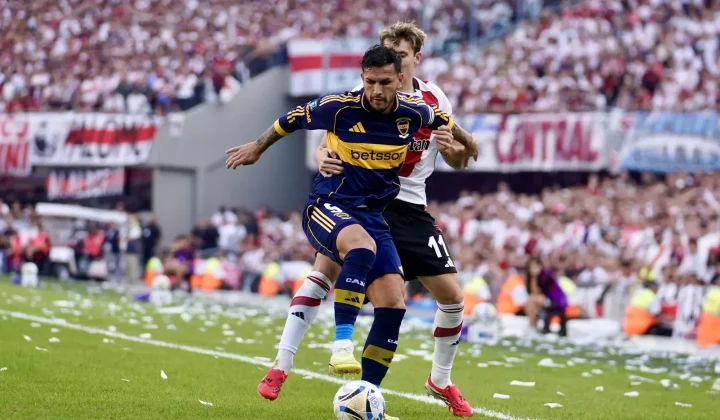
Boca vs River Superclásico Confirmed for November 1 at La Bombonera
The Argentine Professional League has set the date and time for the next Boca Juniors vs River Plate Superclásico, scheduled for Sunday,…
Read story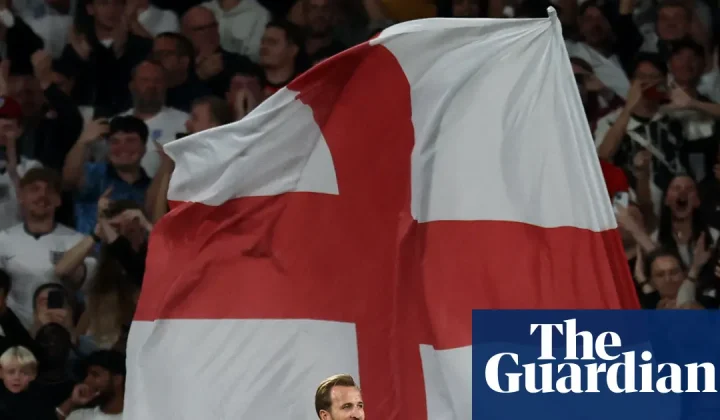
Harry Kane equals Peter Shilton’s England caps record with two goals in Nations League win over Czechia
Harry Kane scored twice on the night he equalled Peter Shilton’s all-time England appearance record, leading the Three Lions to a 3-0…
Read story
Jesse Marsch says Canada “not afraid” as USMNT friendly intensifies rivalry
Canada coach Jesse Marsch has welcomed the pressure of facing the United States, stating his team is “not afraid” as the two…
Read story
Scotland vs Slovenia: Nations League Group B1 Clash at Hampden Park
Scotland and Slovenia meet at Hampden Park in a pivotal Nations League Group B1 encounter, with both sides level on four points…
Read story