
U.S. Researchers Develop Room-Temperature Stable Blood Substitute for Battlefield Transfusions
A breakthrough by Johns Hopkins University researchers could revolutionize emergency medical care for soldiers, with a new lab-grown blood substitute stable at room temperature.
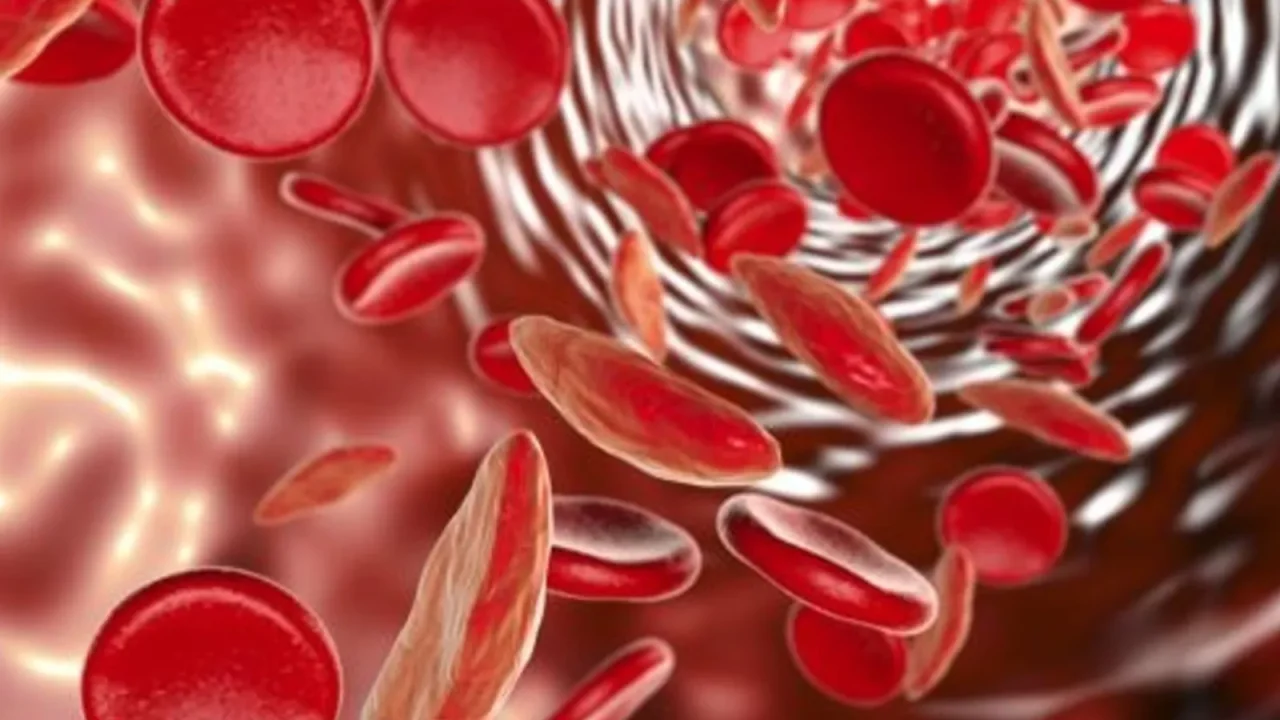
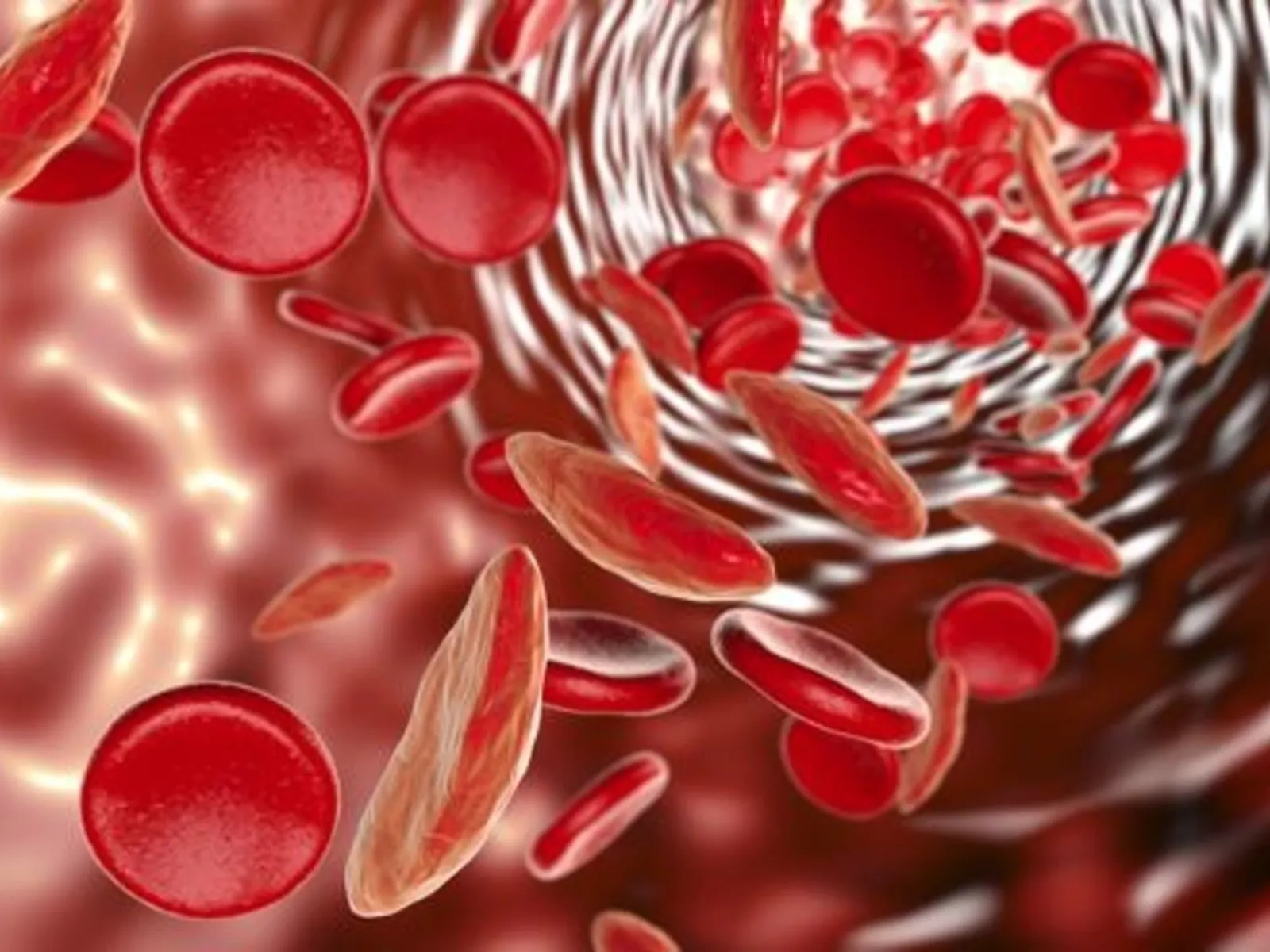
Researchers at Johns Hopkins University’s Applied Physics Laboratory (APL) have achieved a significant milestone in medical science: the development of a stable, room-temperature blood substitute that could be a game-changer for battlefield medicine. This innovative compound, derived from lab-grown red blood cells, aims to address the critical need for immediate blood transfusions in emergency situations, particularly for military personnel.
The project, codenamed HEART (Human Erythrocytes Available for Reconstitution and Transfusion), focuses on creating a reliable and accessible blood product that bypasses the logistical challenges associated with traditional blood banks. Traditional blood donations have a limited shelf life, typically around 42 days when stored under specific temperature conditions. This necessitates robust infrastructure, trained personnel, and a constant supply chain, all of which can be difficult to maintain in combat zones.
Key facts
| Fact | Detail |
|---|---|
| Institution | Johns Hopkins University Applied Physics Laboratory (APL) |
| Project Name | HEART (Human Erythrocytes Available for Reconstitution and Transfusion) |
| Innovation | Room-temperature stable, lab-grown red blood cell substitute |
| Potential Application | Battlefield transfusions, emergency medical response |
| Blood Type Equivalence | Universal donor (O-negative equivalent) |
Tackling Battlefield Needs
The inherent difficulties of providing timely transfusions to wounded soldiers have long been a concern for military medical planners. Mobile blood banks, while an improvement, still present significant logistical hurdles. These include the need for medical supplies, trained staff for donation and transfusion, accurate tracking of blood types among combatants, and secure storage facilities. The APL team’s research directly addresses these vulnerabilities.
“As we prepare for potential engagements anywhere in the world, a secure supply of blood is a fundamental component of the armed forces’ readiness and response capability,” noted Suzy Kennedy, program area manager at APL. This sentiment underscores the strategic importance of the HEART project.
Innovative Approach to Red Blood Cells
At the core of the HEART project is a novel method for producing red blood cells outside the human body. Claire Bell, a senior molecular biologist at APL, explained the project’s philosophy: “Our research is based on the idea that the best substitute for red blood cells is precisely, red blood cells, without the need for a donor.” This approach sidesteps the complexities and limitations of finding suitable donors in critical situations.
Bell, along with biomedical engineer Corrine Fuller, leveraged stem cells and organoids—cell clusters that mimic organ functions—to create a bone marrow-like organoid capable of producing red blood cells. The decision to use lab-generated red blood cells stemmed from the inherent challenges of obtaining them from human donors in sufficient quantities and under the required conditions for this specific application.
The Development Process
Once the red blood cells were successfully produced in the laboratory, they underwent a dehydration process after the addition of cryoprotectants. This resulted in a powdered substance that retains the essential proteins and sugars found in natural blood. Crucially, this dried product can be easily rehydrated with sterile saline solution.
The resulting reconstituted blood substitute is safe and effective at room temperature, offering universal donor compatibility equivalent to O-negative blood. This means that in a battlefield scenario, soldiers or medical teams would only need to carry a small container of the lyophilized cells and saline solution to prepare a potentially life-saving transfusion.
The implications of this advancement are profound, offering a more robust and responsive solution for emergency medical care where traditional blood supply chains are compromised. The ability to store and transport blood components without refrigeration significantly enhances readiness and survivability in austere environments.
Source: Clarin Deportes – https://www.clarin.com/estados-unidos/cientificos-dan-credito-universidad-hopkins-presenta-avance-inedito-creacion-sustituto-sangre-estable-temperatura-ambiente_0_AHejY42C18.html
Source
Clarin Deportes Original publication: 2026-07-12T00:23:35+00:00
Related news

Exposure to unhealthy food and drink branding ‘unavoidable’ during World Cup, new study finds
A University of Bristol study reveals nearly 66,000 visible appearances of unhealthy food and drink brands during the World Cup finals, raising…
Read story
Gillingham vs Cambridge United: EFL Trophy Southern Group G Preview, Team News, and Prediction
League Two's in-form Gillingham host League One side Cambridge United in the EFL Trophy on Tuesday. We preview the clash with team…
Read story
Brighton defeat exposes five cracks in Arsenal’s Premier League title defence
Arsenal’s perfect start to the season came to a sudden halt with a 3-0 loss at Brighton. The result has raised fresh…
Read story
Harry Kane Fastest to 100 Bundesliga Goals, Reaches Milestone in 98 Appearances for Bayern Munich
Harry Kane scored his 100th Bundesliga goal in Bayern Munich’s 7-0 win over Union Berlin, setting a new record for the fastest…
Read story