
World Cup Transfer Market: Why Clubs Should Beware of Tournament Hype
The World Cup creates a unique transfer market where highlights and short-term performances can inflate player values. An analysis of why clubs should stick to their long-term scouting plans.

The World Cup creates a unique, intense transfer period that can distort player valuations. According to a recent analysis by Mundo Deportivo, clubs must distinguish between the regular market, built on season-long planning, and the World Cup market, where a single month of high visibility can inflate prices and create false impressions.
The two markets
There is the market clubs plan throughout the season, based on team needs and the strategy of sporting directors. Then there is the World Cup market. This extraordinary period lasts only about a month, but it magnifies everything. The only thing that is rarely disputed is the champion. The analysis notes that the winner is usually the best team, citing the 1966 England victory as a possible exception. But the game and the market are separate things.
The World Cup effect
The tournament creates a market of highlights, of best moments, of temporary spikes in visibility. Agents love this environment, but the impacts often do not match a player’s long-term trajectory. Players can emerge as stars during the World Cup and then fade, while established stars may not shine in the tournament’s spotlight. The analysis mentions that goalkeepers outside the elite can gain millions of followers after a single match, and completely unknown players can be promoted by influencers simply for digital content creation.
The analysis points to James Rodríguez’s transfer to Real Madrid after his outstanding 2014 World Cup as an example of a blockbuster move driven entirely by tournament performance. However, such cases are rare and can be misleading.
Lessons for clubs
Clubs should not be intimidated by the often artificial effects of the World Cup. The advice is to stick to their planned scouting agenda and sign players who were already on their lists. The tournament can raise or lower prices, so it is better to wait a few days after the event and avoid acting on single impressions. The analysis notes that Lionel Messi had an extraordinary World Cup but did not win the final, and Lamine Yamal had an excellent tournament without scoring spectacular goals. Both players are the same as they were before the tournament. Judgments based on one month can be deceptive, for better or worse.
Key facts
| Aspect | Detail |
|---|---|
| Duration | Approximately one month, starting with the tournament |
| Main risk | Inflated prices based on short-term highlights |
| Example | James Rodríguez to Real Madrid after 2014 World Cup |
| Recommended approach | Stick to long-term scouting, avoid impulsive decisions |
Why this matters for FootballGames10 readers
For fans and analysts tracking transfer rumors, understanding the distinction between the regular market and the World Cup market is crucial. When a player shines during the tournament, their price tag often skyrockets, but the long-term value may not match the hype. This analysis helps readers evaluate whether a reported transfer is driven by sustainable performance or by a temporary surge in visibility. It also provides context for the often frenzied transfer speculation that follows major international tournaments.
Source: Mundo Deportivo – El mercado del Mundial (https://www.mundodeportivo.com/futbol/fc-barcelona/20260726/1004210171/mercado-mundial.html)
Source
Mundo Deportivo Futbol Original publication: 2026-07-26T05:00:00+00:00
Related news
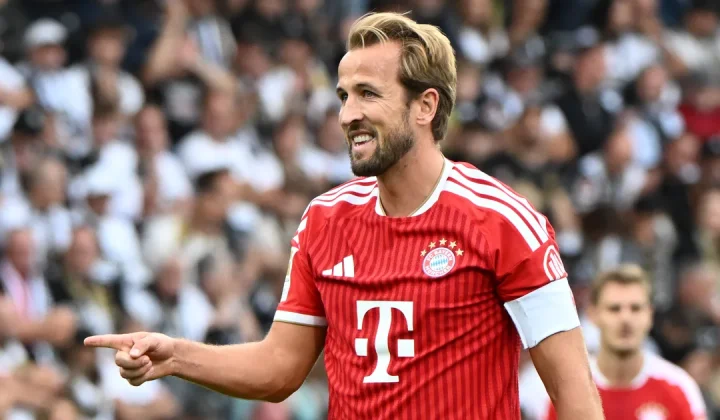
Harry Kane Contract Talks Set to Wrap Up After International Break, Says Bayern CEO
Bayern Munich CEO Jan-Christian Dreesen expects Harry Kane’s contract extension to be finalized during the September-October international break, as the England captain…
Read story
Exposure to unhealthy food and drink branding ‘unavoidable’ during World Cup, new study finds
A University of Bristol study reveals nearly 66,000 visible appearances of unhealthy food and drink brands during the World Cup finals, raising…
Read story
Gillingham vs Cambridge United: EFL Trophy Southern Group G Preview, Team News, and Prediction
League Two's in-form Gillingham host League One side Cambridge United in the EFL Trophy on Tuesday. We preview the clash with team…
Read story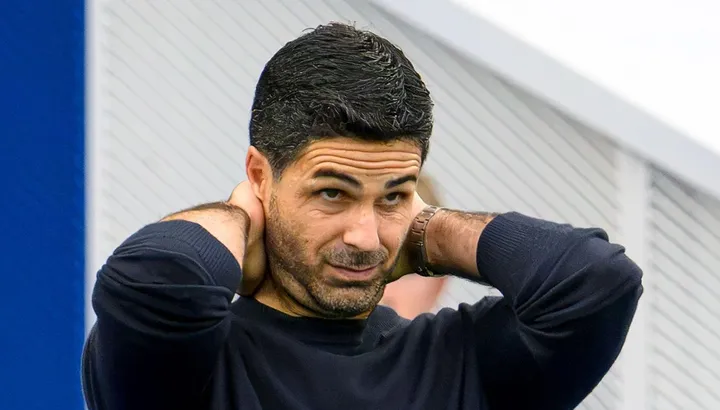
Brighton defeat exposes five cracks in Arsenal’s Premier League title defence
Arsenal’s perfect start to the season came to a sudden halt with a 3-0 loss at Brighton. The result has raised fresh…
Read story